
Combining a bit of arthouse drama with a slasher motif, writer-director Christopher Moore has emerged with When the Trash Man Knocks, his fifth horror film in seven years. Importantly, as with most Moore efforts, there is a concentrated effort to look at terror through the queer lens here. Scarred by a violent trauma in his past, Justin (Moore) lives with his mother while, sheepishly, trying to navigate the advances of a concerned, handsome co-worker (an appealing David Moncrief) and a demanding boss. Of course, the return of the titular baddie soon hands his already fragile emotional state a one-way ticket into the land of nightmares and psychological chaos.
Nicely, this mixing of traditional holiday bloodshed, with this offering taking place during Thanksgiving festivities, and Bergman-esque reflections works well for viewers looking for a bit of meat on the bones of their eventual victims. In that latter category, Moore delivers with a fun opening sequence involving a flirty homeowner and a randy real estate agent. It is also enjoyable to see the vibrant Meredith Mohler, a regular in these productions, resurface as one of the festively doomed party girls.

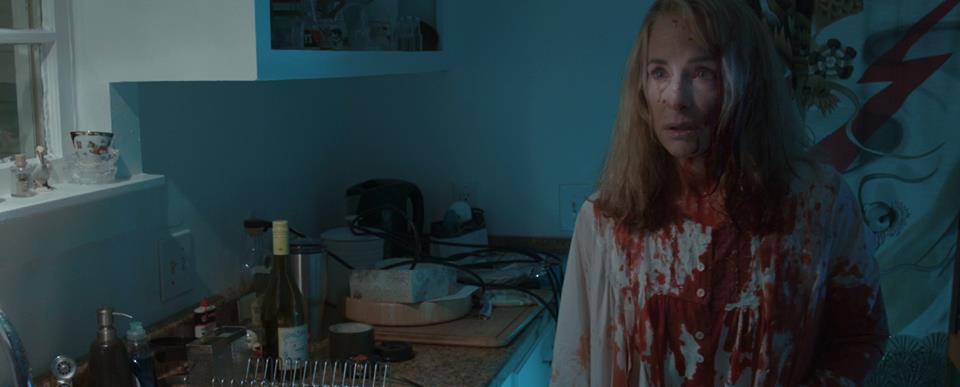
This film’s significant charm reveals itself in the opposite of that type of character, though. The agoraphobic Caroline, Justin’s tormented mother, eventually takes pertinent focus, plot-wise, and this project is all the better for it. As embodied by the powerful Jo-Ann Robinson (Scalps, The Devil’s Dolls), Caroline proves, once and for all, that The Final Girl moniker should be eradicated forever and replaced by the more triumphant category of The Last Woman. Effectively elucidating all of Caroline’s inner workings, Robinson, who deliciously played the maniacal Mary Esther in Moore’s Children of Sin, proves her versatility here, ultimately setting up audiences with a satisfying ending and the hope for more to come from her and the triumphant woman she portrays.
Until the next time, SWEET love and pink GRUE, Big Gay Horror Fan!


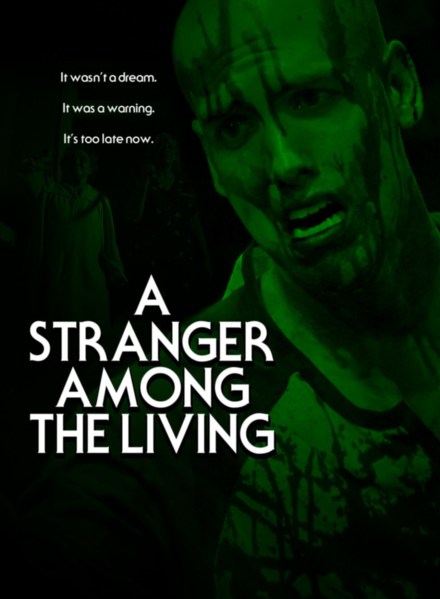 That Moore makes those supporting contemporaries an often sympathetic and aggregable bunch is another of this film’s strengths. Even as she tries to strangle the few tremulous ambitions that Henry retains, actress Victoria Posey brings a soft vulnerability to Patsy, Lyle’s needy, traumatized mother. Moore, himself, brings a ray of fun and energy into the film’s world with his take on the flamboyant Jarvis Coker, a zany addict who ingratiates himself into Henry’s life after they meet at a support group.
 Willow, the adorable toddler in the apartment across from me, always seems to be in front of my door when I’m making a quick exit for work or the grocery store. She, breathlessly, will tell me about her adventures at her babysitter’s house or how her cat, always misbehaving, has stepped on her feet again. I’ll cluck, encouragingly or sympathetically (whatever the case may call for), and hurry on my way. If that is stalking, I’ll take it.
 Big Gay Horror Fan