Entertainment

All posts in the Entertainment category

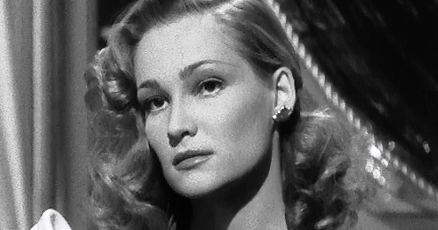
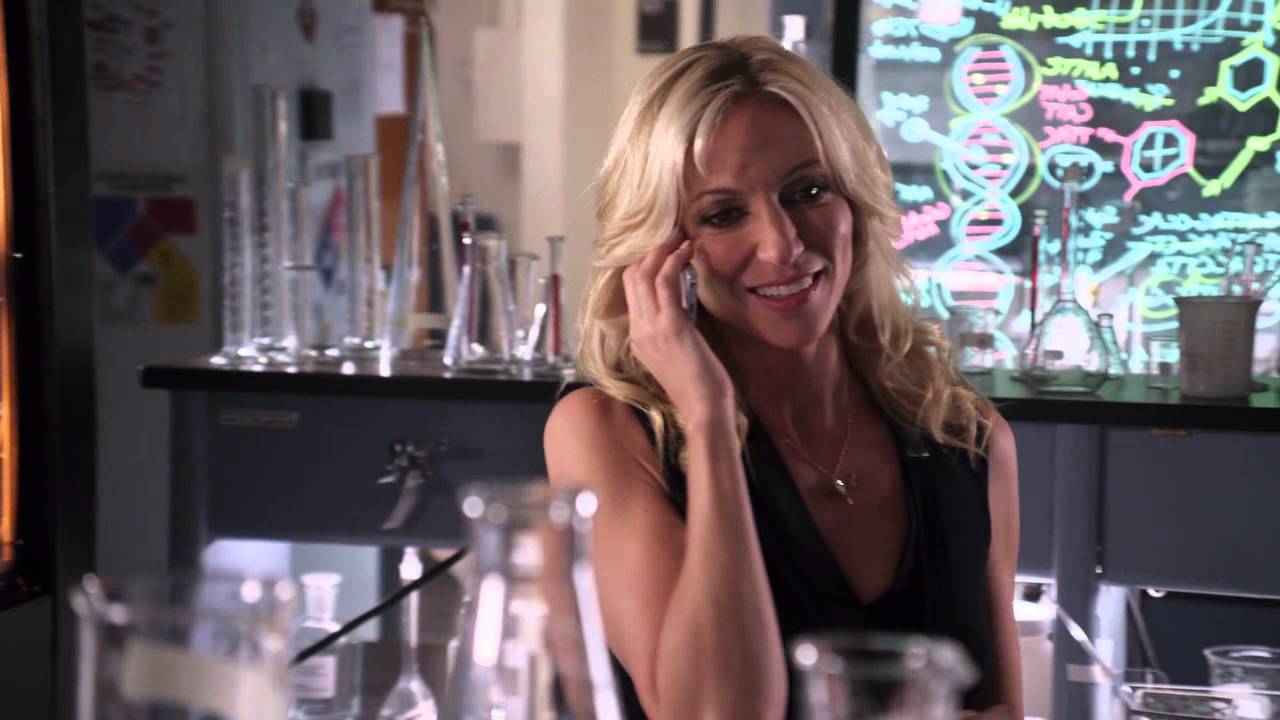
Va-Va-Villainess: Constance Dowling

Published September 24, 2025 by biggayhorrorfan

Its the rare actress whose onscreen evilness makes even the eternally villainous Peter Lorre seem sympathetic. As Mavis Marlowe in 1946’s The Black Angel, Constance Dowling actually hits that mark again and again, creating a queen of mean for the celluloid ages.

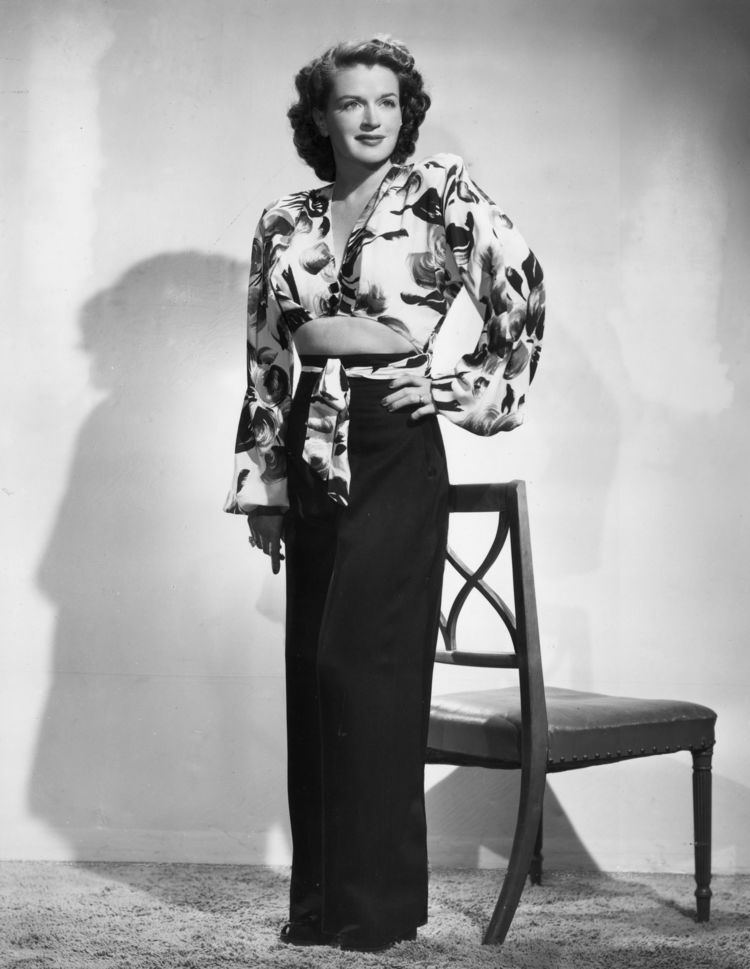
A blackmailing torch song singer, Marlowe claims multiple victims in this black and white noir with stylish direction from Roy William Neill (Frankenstein Meets the Wolf Man, The Black Room). Nicely, Neill’s aesthetic here also includes encouraging Dowling to work with a flinty eyed haughtiness and a steely superiority. Whether verbally thrashing down a housekeeper or gleefully persecuting her ex-husband, Dowling’s Marlowe definitely gives the notorious women played by such genre fixtures as Barbara Stanwyck and Rhonda Fleming a run for their money.

Indeed, as mentioned above, even Lorre as Marko, a mysterious nightclub owner who is central to the plot here, comes off with a sympathetic aura due to this blatant femme fatale’s poisonous machinations.

Interestingly that same year, before she eventually left Hollywood for work in Italian films, Dowling essayed another sinister baddie in Boston Blackie and the Law

A return to the US found her embracing marriage and motherhood and leaving behind her performing career. Unfortunately, after years of seeming happiness, a heart attack at the age of 49 assured that she would make no onscreen comebacks. 

Still, the skillful viciousness with which she supplied Marlowe assures her a place in the history of dark cinema for all of time. 

Until the next time, SWEET love and pink GRUE, Big Gay Horror Fan!

http://www.facebook.com/biggayhorrorfan

Hopelessly Devoted To: Rosemary DeCamp

Published September 7, 2025 by biggayhorrorfan

Whether represented by the vigilant Diane of Poltergeist or the psychotically murderous Mrs. Voorhees of Friday the 13th, the character of the mother has been intrinsically important to the horror film. Interestingly, years before these films hit the cinema, producer William Castle followed this dueling outline of matriarchal personality types in his projects, as well.

Famously, Joan Crawford’s Lucy Harbin in Strait-Jacket represented the more unhinged maternal aspect. Rosemary DeCamp, meanwhile, perfected the traditional caretaker as Hilda Zorba in 1960’s 13 Ghosts. Of course, by the time her stint with Castle came around, Crawford had already helped define the Grand Dame Guignol genre with her work in the eternally classic Whatever Happened to Baby Jane? But DeCamp, who arguably became best known for playing Marlo Thomas’ mother in That Girl, had also appeared in Eyes in the Night, a moody noir-detective story that was described as being “startling as a scream!” at the beginning of her career.

Further espousing terror pyrotechnics, DeCamp went on to roles in The Painted Mirror, an episode of Night Gallery (featuring Zsa Zsa Gabor), and the genre specific comedy Saturday, the 14th. The television episode, in particular, might resonate with older movie fans as DeCamp outwits an evil Gabor there.

Nicely, Tigers In My Lap, DeCamp’s truly enjoyable memoir, shares on set highlights of many of her projects. To that end, her reminiscent details about working with Castle aren’t plentiful, but they are apt. She notes that her role didn’t involve a lot of acting chops and that she even had trouble discerning the celluloid ghosts onscreen at the film’s premiere. Still, she rejoices a bit in the producer’s showmanship, claiming that she had the most stills of that movie out of all her projects-all due to Castle’s knack for publicity.

Thus, while DeCamp isn’t necessarily eulogized as a Queen of Scream, her connections to the genre are significant enough for fans of all ages to embrace her and her work.


Fun Fact: DeCamp’s contributions to movie musicals are also of note. While she blazes with snappy power as Kathryn Grayson’s bohemian aunt in So This is Love, a biography of opera singer Grace Moore, On Moonlight Bay and By the Light of the Silvery Moon, both starring Doris Day, are nostalgia buff’s favorites by far. Illustrating the significance of these projects, Day even lovingly contributed the forward to DeCamp’s book.


Until the next time, SWEET love and pink GRUE, Big Gay Horror Fan!

http://www.facebook.com/biggayhorrorfan
Music to Make Horror Movies By: Bobbie Gentry

Published August 16, 2025 by biggayhorrorfan

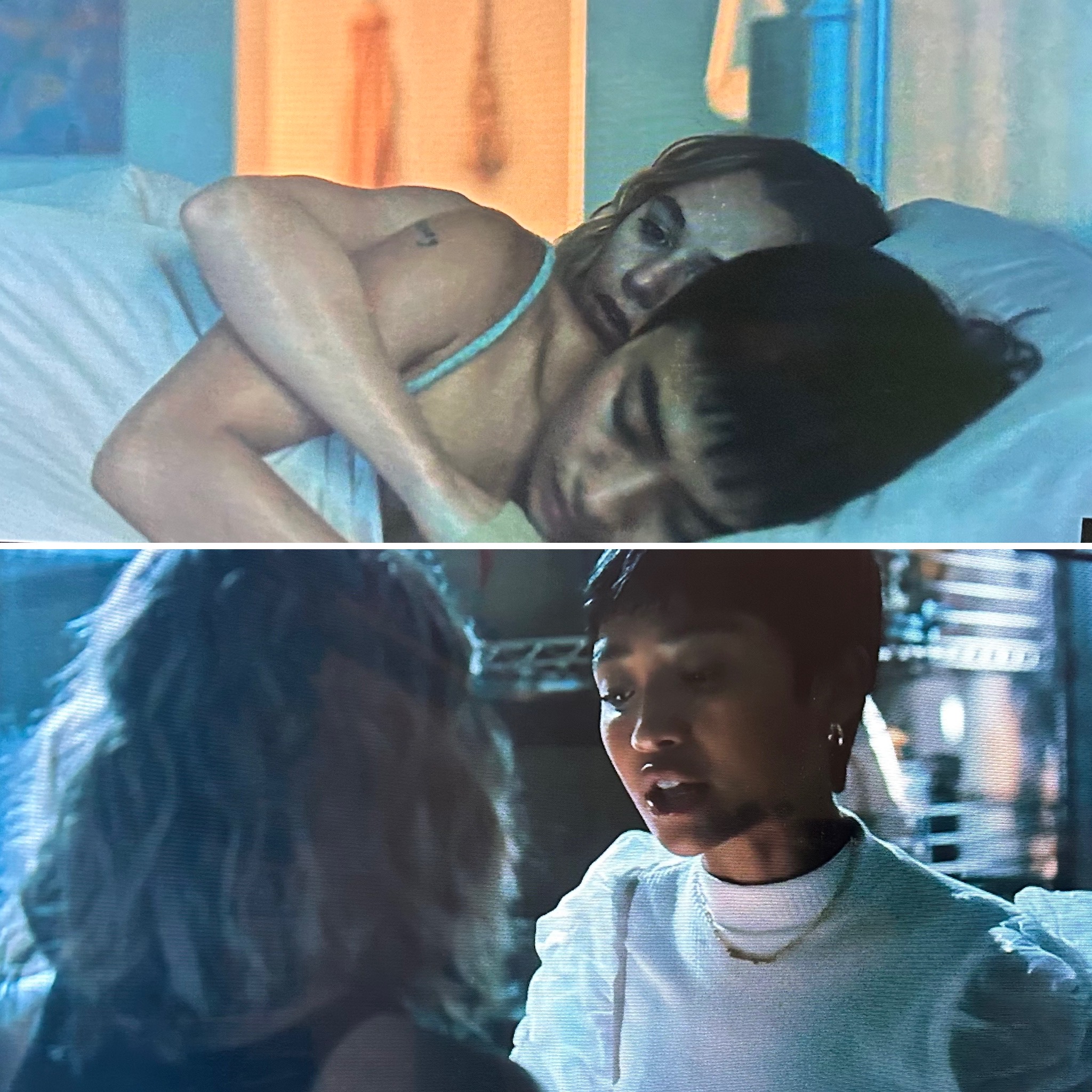
The 1969 opening scene of Final Destination: Bloodlines hopefully introduced younger fans to one of pop & country music’s most distinctive voices. With this bloody revisiting of decades past, the film’s music producers were able to explore a number of interesting tunes to supplement the soundtrack. One of the coolest background fillers was the enigmatic Bobbie Gentry’s take on Raindrops Keep Falling on My Head.

Of course, the gorgeous Gentry is probably best known for composing and performing the influential gothic story-song Ode to Billie Joe. Her cool, whiskey-soaked tones embellished a number of other significant compositions, though. These include Fancy, another dark yet deliciously fun tale, Okolona River Bottom and Mornin’ Glory, along with her wistfully essential covers of other artists’ recordings. 

Significantly, she is also one of the most mysterious singers of all time. After her great success in the late ’60s and throughout the ’70s, Gentry disappeared completely from view after an appearance at an awards show in 1982. There has been no public footage or magazine interviews since then and even her current place of residence seems to be up for debate.

What is not in question, though, is her overall influence on the music scene. A respected artist’s artist, Gentry has had a number of previously unreleased LPs resurface in special editions on Record Store Day over recent years and she has been paid loving tribute to by artists as diverse as country queen Reba McEntire and jazz diva Nancy Wilson.

Hopefully someday an inventive writer-director will use her story as the focus of a femme powered mystery or genre film of some sort. Until then, thankfully, we have this….

…and this…

Until the next time, SWEET love and pink GRUE, Big Gay Horror Fan!

http://www.facebook.com/biggayhorrorfan
Hopelessly Devoted To: Ruth Roman

Published August 10, 2025 by biggayhorrorfan

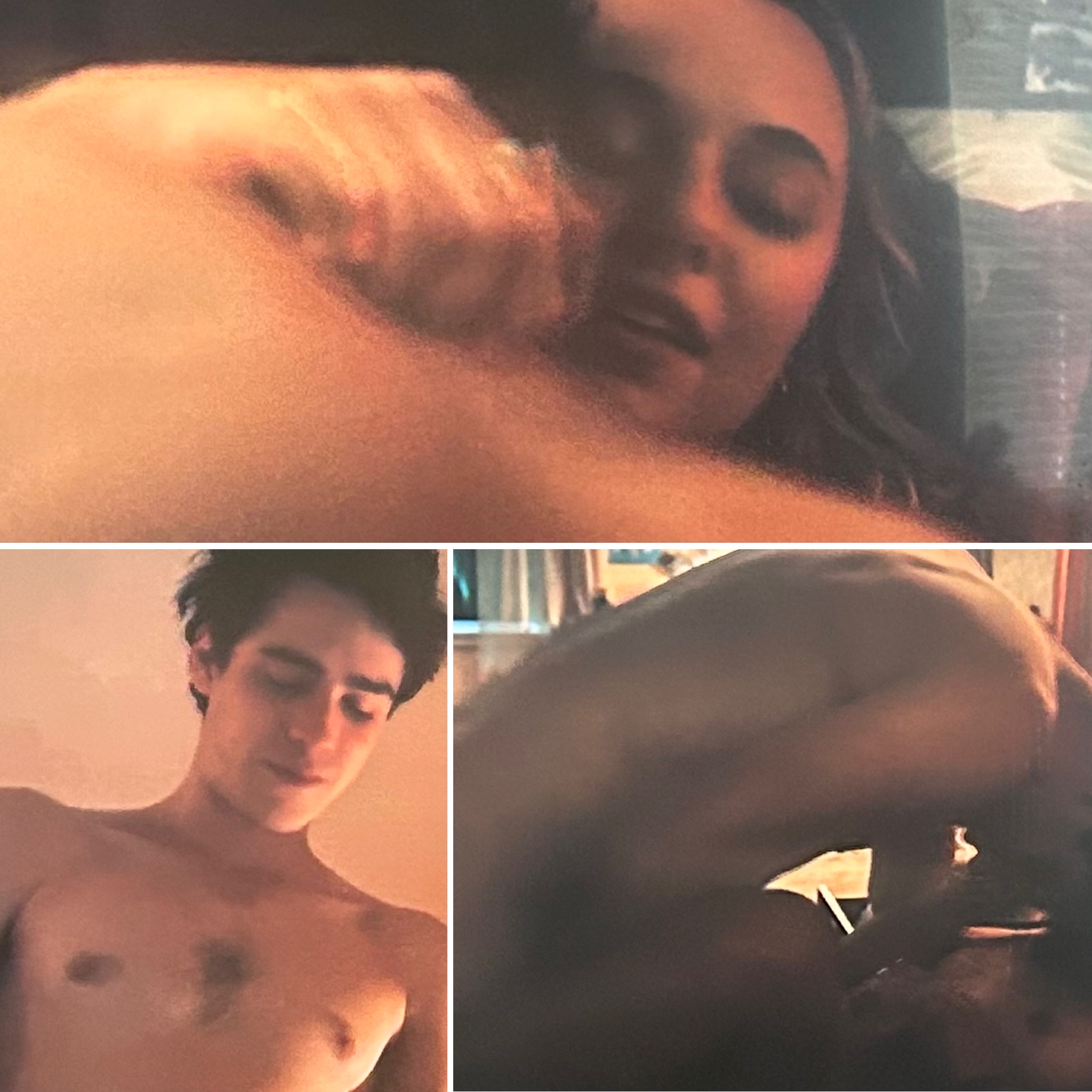
Brash yet sophisticated, Ruth Roman was a dynamic celluloid broad. She lit up such nourish pictures from Warner Brothers as Strangers on a Train, Three Secrets, Lightning Strikes Twice and Tomorrow is Another Day. Whether sporting a sassy blonde wig (Tomorrow) or emanating patrician airs (Strangers), she always registered with a definitive presence.

Unsurprisingly, this aura continued to resonate throughout her latter-day credits, including a number of significant terror film projects. Her bombastic take on an overprotective mother in 1973’s truly weird The Baby is an important piece of exploitation history. Her roles in The Killing Kind (also 1973) and 1977’s Day of the Animals were less significant but were still filled with her patent gregariousness.

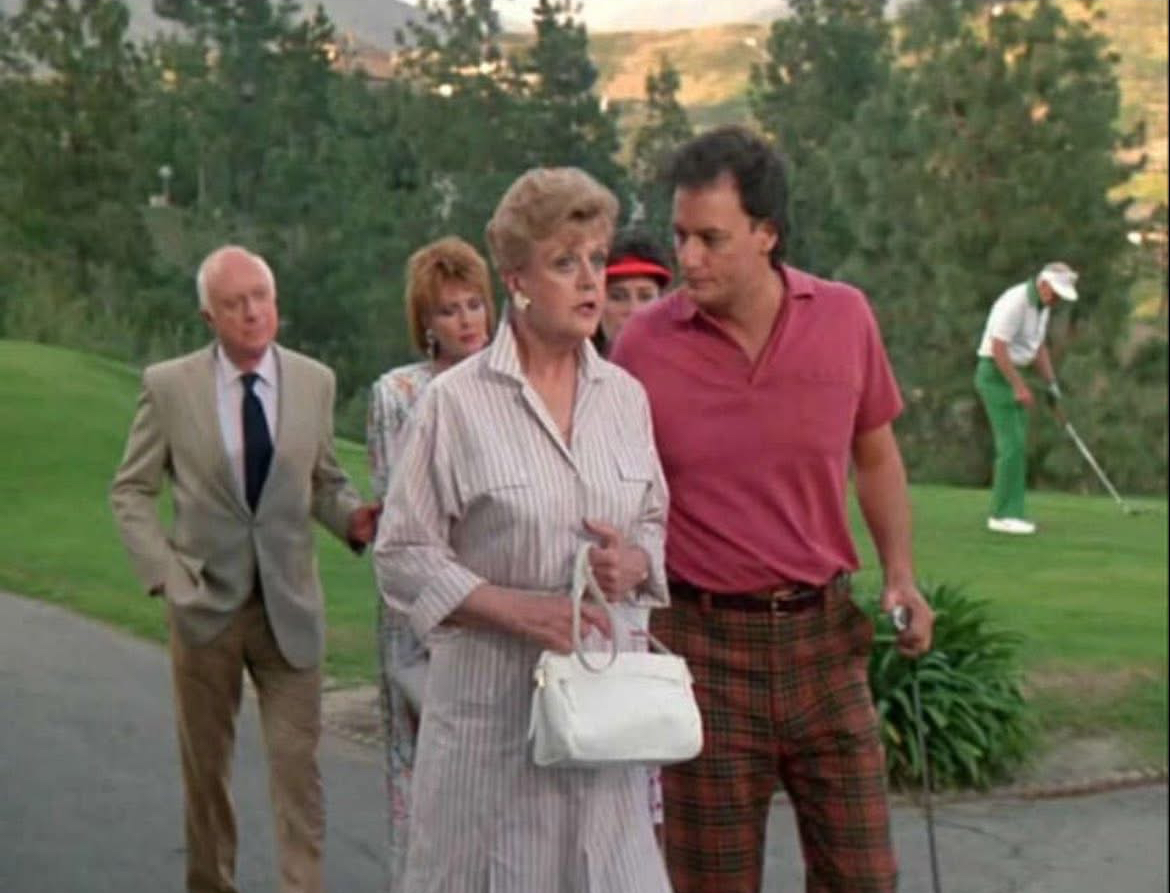
Meanwhile, one of her more interesting ’70s credits had her intersecting with two other queens of horror. As Adele Arnold, a retired big band singer, in The Disco Killer episode of Police Woman, Roman shared potent scenes with both Angie Dickinson (Dressed to Kill, The Maddening, Circle of Fear, Pretty Maids All in a Row) and Taaffe O’Connell (Galaxy of Terror, New Year’s Evil).

Convinced by Dickinson’s Pepper, the titular police woman, to take part in an undercover operation, Roman supplies Adele with a tough outer core underscored by a nostalgic, bruised heart. Portraying a character reeled into the mayhem in order to protect her estranged daughter (O’Connell) from a trio of trigger happy mobsters, Roman happily revels in being this story’s primary focus.

For those, like myself, who enjoy analyzing the background connections of various performers, the fact that Roman and O’Connell both expired at the hands of various monsters (both natural and unnatural) in their various celluloid outings makes them seem like natural co-conspirators as mother and daughter. That Dickinson was also a contract player for Warner Brothers makes her various scenes with Roman sing with a potent naturalness, as well.

Probably logged in as nothing more than a normal workday for all involved, I would still, time travel permitting, love to visit that set – if only for a brief moment or two.

Until the next time, SWEET love and pink GRUE, Big Gay Horror Fan!

www.facebook.com/biggayhorrorfan

Catching Private Ryan

Published July 5, 2025 by biggayhorrorfan

Ryan Phillippe knows his audience. 

In 2014’s Catch Hell, his sole writing-directing credit, Phillippe plays Reagan Pierce, a liberally exaggerated version of himself. Down on his luck, the emotionally beleaguered Pierce accepts a lesser acting job in a Louisianian bayou town. Unfortunately, on the first day of filming, he is intercepted by two local men. Kidnapping him, they hustle him into a swamp ridden shack where they begin torturous games. Trying to break him mentally while simultaneously destroying his reputation via online shenanigans, the duo soon escalate matters into Straw Dogs territory.

As the shackled Pierce is continually bloodied, degraded and beaten, the audience (rightly) assumes that retribution will eventually be in order. Thus, we have the male equivalent of the rape-revenge film here. This becomes especially obvious once it is revealed that Junior (Stephen Louis Grush), one of his dimwitted captors, has sexual feelings for Pierce. Of course, this budding attraction first arose when Junior watched Pierce in action in a sexually charged teen drama, referencing Phillippe’s own work in Cruel Intentions. As my opening statement attests, this plot point proves that the actor is very aware of how much his portrayal of Sebastian Valmont effected his gay fans in their youth. 

Interestingly, these circumstances put Phillippe’s character in the same position as Camille Keaton in I Spit on Your Grave and Matilda Lutz in Revenge (among countless others). As the increasingly frenzied Junior tries to rape Pierce, Phillipe and Grush are exposed, both emotionally and physically, entering into vulnerable positions usually reserved just for female starlets. 

This attribute supplies Catch Hell with a sort of significance, making it a cultural oddity with some spark behind it. Occasionally feeling draggy and drawn out, there are enough scenes of essential weirdness here, particularly a bizarre film within a film during the closing credits, to make this of interest to cinema buffs. At the very least, the copious views of the backsides of Phillippe & Grush in the project’s most notorious scene will give those who like that sort of thing plenty of penetrative thought.

Until the next time, SWEET love and pink GRUE, Big Gay Horror Fan!

http://www.facebook.com/biggayhorrorfan
Music to Make Horror Movies By: Billy Idol

Published June 15, 2025 by biggayhorrorfan

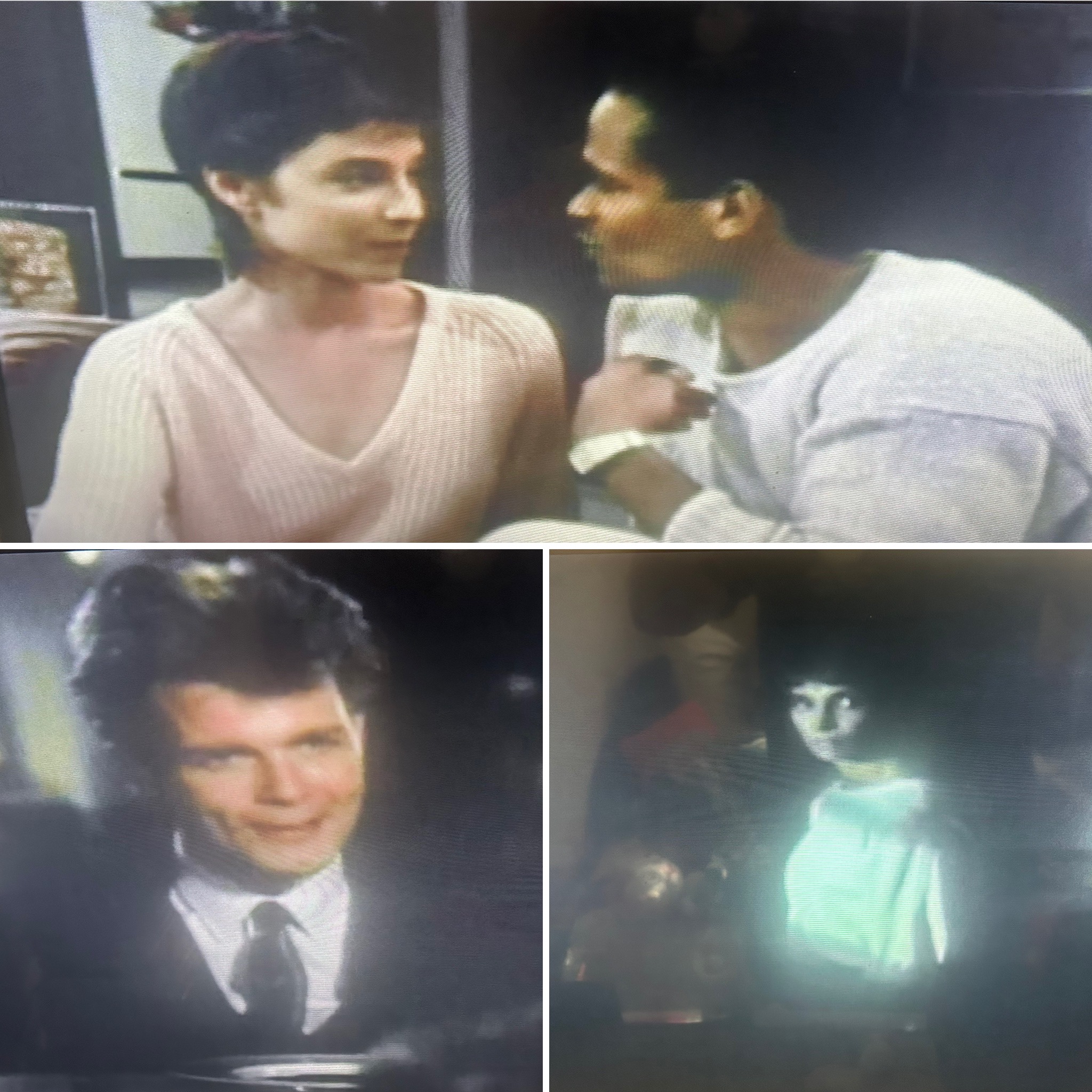
At 17, I really knew nothing about the gay community. I was growing up in a small farming town, surrounded by shit kicking, flannel shirt wearing earth outlaws. But somehow, I instinctively knew that the leather jockstrap sported by Billy Idol on the January ’85 cover of Rolling Stone was part and parcel of the queer male experience. I already had multiple crushes on all the smooth soap opera hunks from my favorite shows, but never before had I been quite so unabashedly titillated. 

I probably would have been even more turned on if I had been aware of Idol’s connections to the horror community in that era. 

As a fan of Texas Chainsaw Massacre and Poltergeist, he himself hired director Tobe Hooper to helm the post-apocalyptic video for Dancing with Myself. A couple years later, his music swirled out from celluloid bound speakers, accentuating the splattery action of Lamberto Bava’s Demons. Perhaps even more importantly, as the decades have flown by, many music critics have reassessed Rebel Yell, his second album, finding it to be one of the significant Gothic New Wave records of that era. This is unsurprising if you consider that the haunting Eyes Without A Face, one of that LP’s focal points, was influenced by the influential French horror movie of the same name.

Catering to that trend, in the years since, songs like Rebel Yell and White Wedding have worked their way onto the soundtracks of such projects as Bride of Chucky, Scream Queens, American Horror Story and The Chilling Adventures of Sabrina. The inclusion of that latter song in 2025’s Fear Street: Prom Night, which became the Number One film on Netflix within a day of its release, has surely introduced him to a bevy of younger terror loving fans, as well.

Who knows? Maybe some quivering twink in some remote village will even discover that long ago magazine image for the first time and find himself as transformed as I was all those years ago.

What the hell! For his sake….

Until the next time, SWEET love and pink GRUE, Big Gay Horror Fan!

http://www.facebook.com/biggayhorrorfan
The Missed Queering of Speak No Evil

Published May 27, 2025 by biggayhorrorfan

I’ve got more years behind me than before me. I don’t have enough time left on this planet to watch yet another film or limited television series where a powerful white man terrorizes a woman (either solo or with family in tow) for an hour and a half. This realization came to me when I was about halfway through 2024’s Speak No Evil, the Americanized version of a popular Danish horror film. The fact that it took me two or three months to finally finish it speaks to my weariness. 

Don’t we live in a world where that kind of POS has been granted far too much power, anyhow? I don’t need him as the primary figure of my entertainment orientated escapes. 

Granted, the more salacious side of my gayness wickedly sparked at this project’s midpoint visual of a beefed up James McAvoy stripping down to his black briefs for a swim. Sitting through the demented machinations of his character was another story altogether, though. 

Of course, I might have taken more interest if the hinted at attraction between McAvoy’s Paddy and Scoot McNairy’s Ben had been more fully realized. While calculatedly setting a trap for Louise (Makenzie Scott) and her daughter, Alex (Alix West Lefler), Paddy makes off with the patriarchal side of that family unit, driving him into the woods for some manly bonding. 

The song that Paddy chooses to accentuate their macho excursion, though, is The Bangles’ ultra-romantic Eternal Flame. That tune becomes a central sonic focus of the project, making viewers – or at least this one – wonder if director/co-writer James Watkins was subtly hinting at something a bit more lavender in Paddy’s nature. 

But, ultimately, this twisted celluloid excursion soon does a forward freefall into Paddy’s deliriously violent attack upon Louise, Ben and Alex. All subtle nuances in character are swept aside for red faced, eye bulging mania.

The corporate, common line quality of this filmmaking is frustrating in it’s predictability. We definitely don’t need a mainstream, studio supported look at a dangerous homosexual – particularly in this politic climate. But turning Paddy into a sexually fluid manipulator of all who come into his path would have definitely given this film a fresh boost of life, turning a tried and true maniacal monster into something a little more joyfully perverse. This would have also taken some of the heat off of the basic, misogynistic notion of a woman and her child facing danger from yet another deluded, over privileged man. 

Until the next time, SWEET love and pink GRUE, Big Gay Horror Fan!

http://www.facebook.com/biggayhorrorfan

The Backside of Horror: The Killing Kind

Published May 18, 2025 by biggayhorrorfan

Outside of Joe Dallesandro’s work with Paul Morrissey in Andy Warhol’s Frankenstein and The Blood of Dracula, the exploitation films of the ’70s were not usually an advertisement for the male physique. 

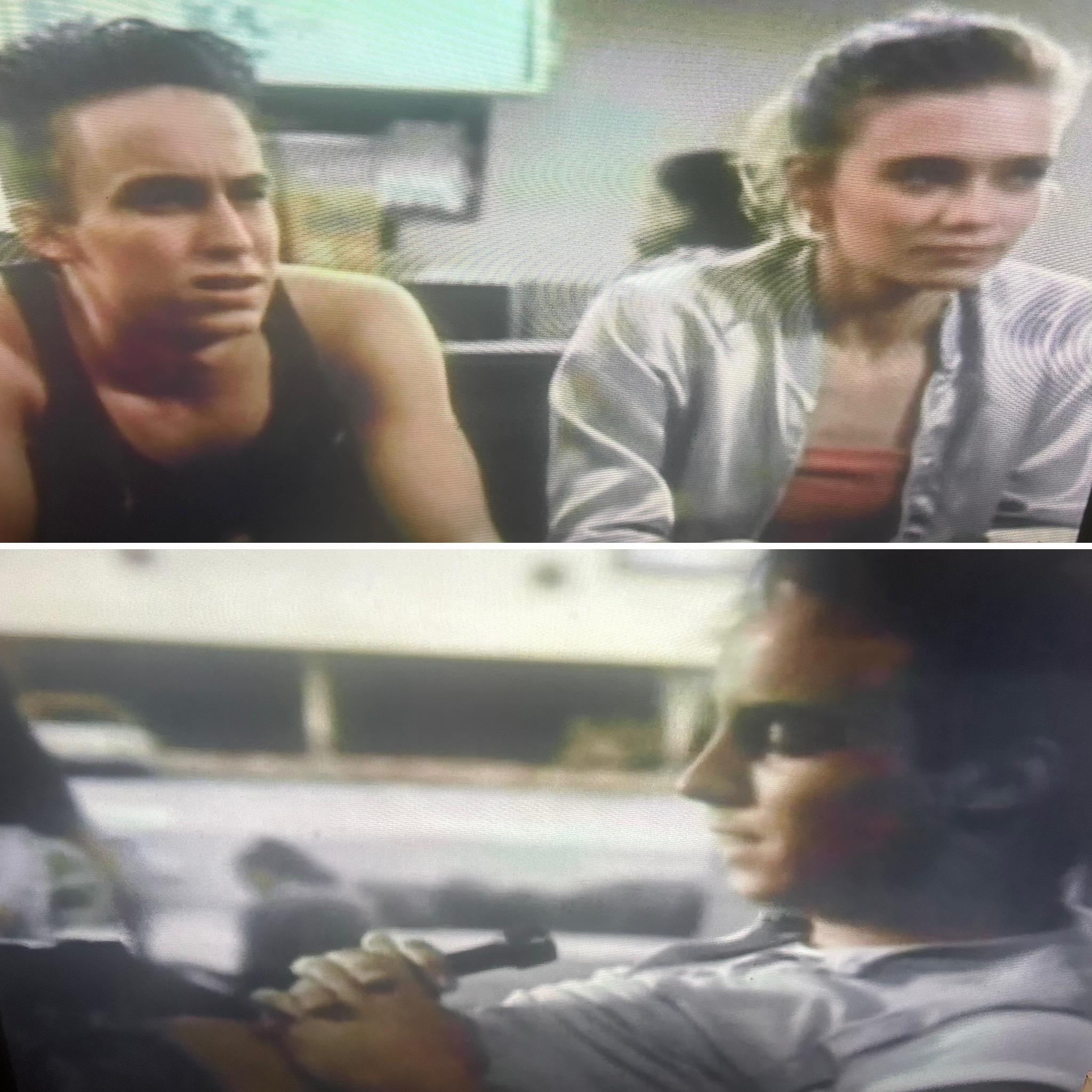
Gay director Curtis Harrington, though, definitely cast a loving camera eye onto the young, very fit John Savage in 1973’s The Killing Kind. Often shirtless and/or running around in tiny swimming trunks, Savage’s unstable Terry Lambert is lingeringly obsessed over by his mother (Ann Sothern), a female roommate (Cindy Williams), an uptight neighbor (Luana Anders) and his former lawyer (Ruth Roman).

Often shrinking from their fevered gaze, Lambert’s hesitancy to their affections is truly understood in one mid-act scene. There, Sothern’s Thelma incestuously sneaks into the bathroom while he is showering and, giggling with coy abandon, takes many a steamy photo of him.

Harrington’s lens, meanwhile, is almost as lovingly obsessed with Savage’s rare masculine beauty as the plotline participants. This makes this offering the rare proto-slasher with plenty of sensuously photographed scenes of skin of the red blooded and increasingly bare variety – all reaching a head (or buttock as the case may be) with that daring wet, bathing shot.

Until the next time – SWEET love and pink GRUE, Big Gay Horror Fan!

http://www.facebook.com/biggayhorrorfan
Music to Make Horror Movies By: Alberta Hunter

Published May 11, 2025 by biggayhorrorfan

As with many female blues and jazz singers, the indomitable Alberta Hunter spent the middle portion of her life solely entangled with the 9 to 5. Rediscovered in her senior years, she ultimately received even more respect and critical acclaim than during the fragrant bloom of her earlier career.

Part of that rediscovery included the use of one of her earliest tracks, You Can’t Tell the Difference After Dark, in the mutated monster sequel Mimic 3: Sentinel.

Hunter, for all LGBTQIA history archivists out there, was also a very private, yet steadfast lesbian. She was involved for decades with a woman named Lottie Taylor, the daughter of a famous comedian.

Determined, with a rich personal history well worth exploring further, Hunter, who died in 1984 at the age of 89, is definitely one of our eclectic forebears who helped give our community its rich diversity and overall cultural impact.

Until the next time, SWEET love and pink GRUE, Big Gay Horror Fan!

http://www.facebook.com/biggayhorrorfan
Ann Sothern: The Triumphant Kind

Published May 5, 2025 by biggayhorrorfan

Gay director Curtis Harrington was the George Cukor of the horror set. With filmic grace, he guided such pedigree blessed superstars as Gloria Swanson, Simone Signoret, Gale Sondergaard, Piper Laurie and Joan Blondell to blood curdling glory in such projects as Games, The Killer Bees, Ruby and The Dead Don’t Die.

Of course, his greatest achievement among the diva set just might be 1971’s What’s The Matter with Helen? That cult favorite, featuring the dueling frames of pert Hollywood sweetheart Debbie Reynolds and robustly complicated Academy Award winning Shelley Winters, did not, initially, set the box office on fire. But critically praised as one of the best post-Whatever Happened to Baby Jane? imitations, it has become a favorite among discerning terror lovers in the decades since.

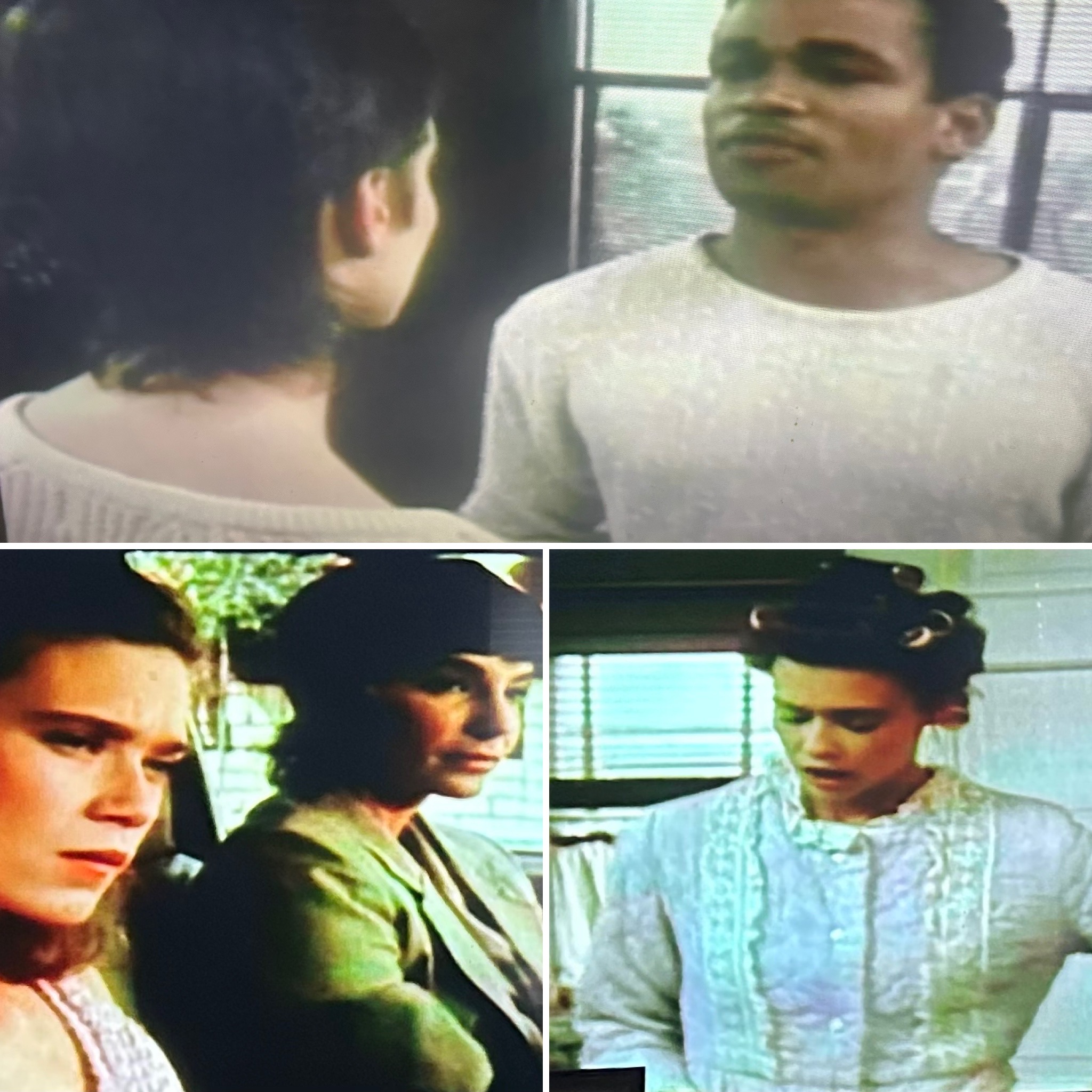
But running a close second, in my opinion, to that lauded project is 1973’s gloriously sleazy The Killing Kind. This celluloid smudge features not only Ann Sothern, at her matriarchally pouty best, but the whiskey soaked Ruth Roman and catlike character actress Marjorie Eaton (The Time of Their Lives, The Snake Pit, Zombies of Mora Tau).

Revolving around Sothern’s blowsy Thelma and her often shirtless, sexual deviant son Terry (John Savage), the movie definitely fixes an unwavering gaze on Savage. Just released from prison due to participation in a gang rape, Terry is oddly juvenilized by Thelma, who forces chocolate milk and lipstick stained kisses upon him in abundant measure. Thelma is not alone in this kind of overindulgence. A spinster librarian (Luana Anders), a wanna-be starlet (Cindy Williams) and even Terry’s former lawyer (Roman) & an aging tenant (Eaton) of Thelma’s, all drip around him with moist concern and occasionally aggressive interest. 

In particular, Louise, Anders’ character, fantasizes about him sadistically violating her. Meanwhile, Rhea, played by Roman, seems more distressed over losing Terry’s case due to sexual affection for him than any career-style woes.

The plus side of these and other incidents is this is the rare exploitation outing that concentrates on male beauty, happily embroidered by a juicily femme cast. The psychology here, though, may leave something to be desired. The screenplay seems to suggest that the reason the deeply violent Terry erupts on a journey of uncontrollable revenge is all due to the fawning, overly needy women in his life and not extreme mental imbalance or some other layered factor. 

Still, as the lead-in paragraph indicates, Harrington works wonders with the female cast. Roman crams a variety of emotional flavors into her one scene while Anders brings a successfully bitter, almost acidic, texture to her characterization. 

Magnifying them, Sothern sinks her teeth into every neurotic tic of her character, creating a childishly odd but truly believable human. Supporting roles would follow for this veteran actress, but in this, her last leading role, she and Harrington absolutely eek every morsel of strange goodness that there is to be found in the circumstances at hand. 

Until the next time, SWEET love and pink GRUE, Big Gay Horror Fan!

http://www.facebook.com/biggayhorrorfan