Horror

All posts tagged Horror

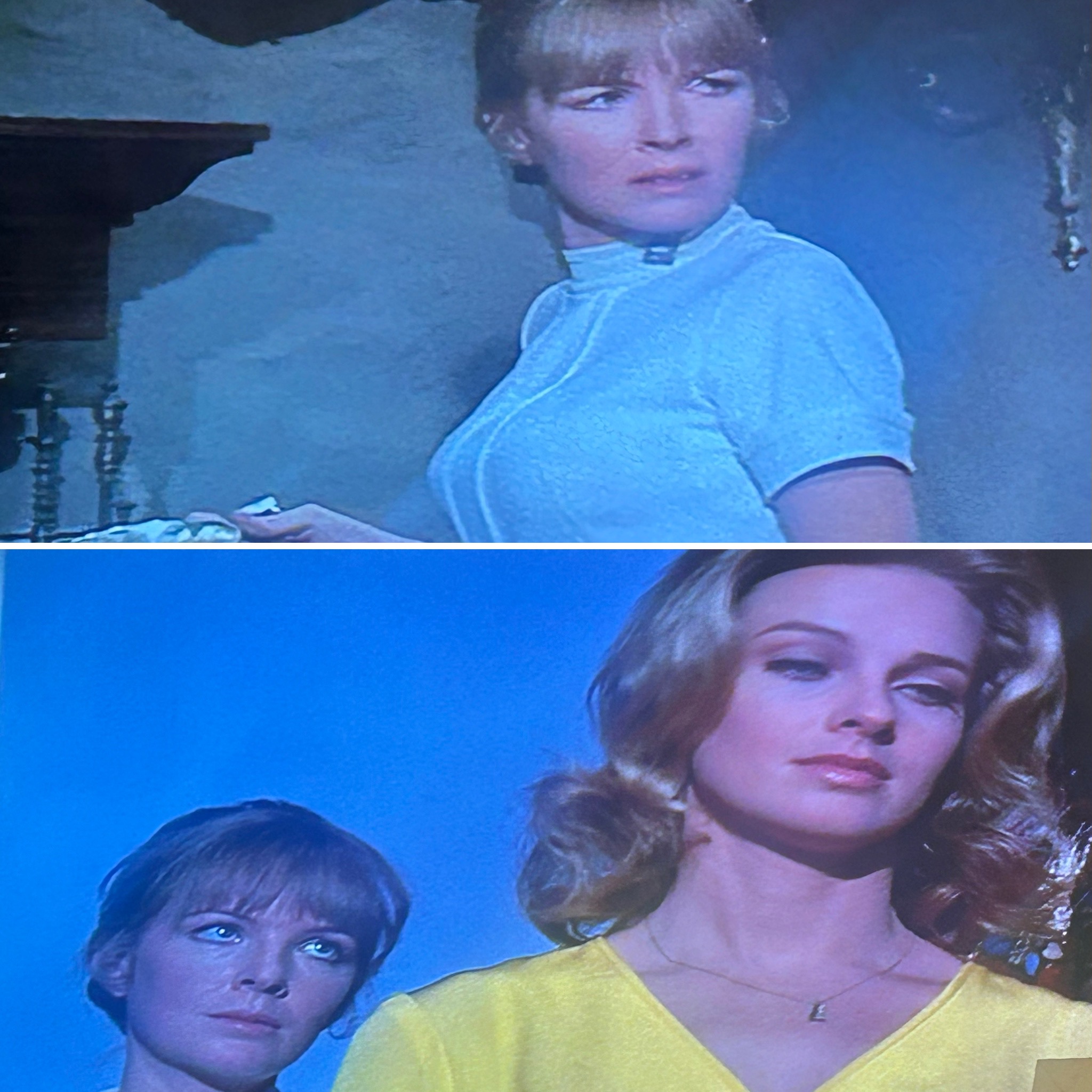
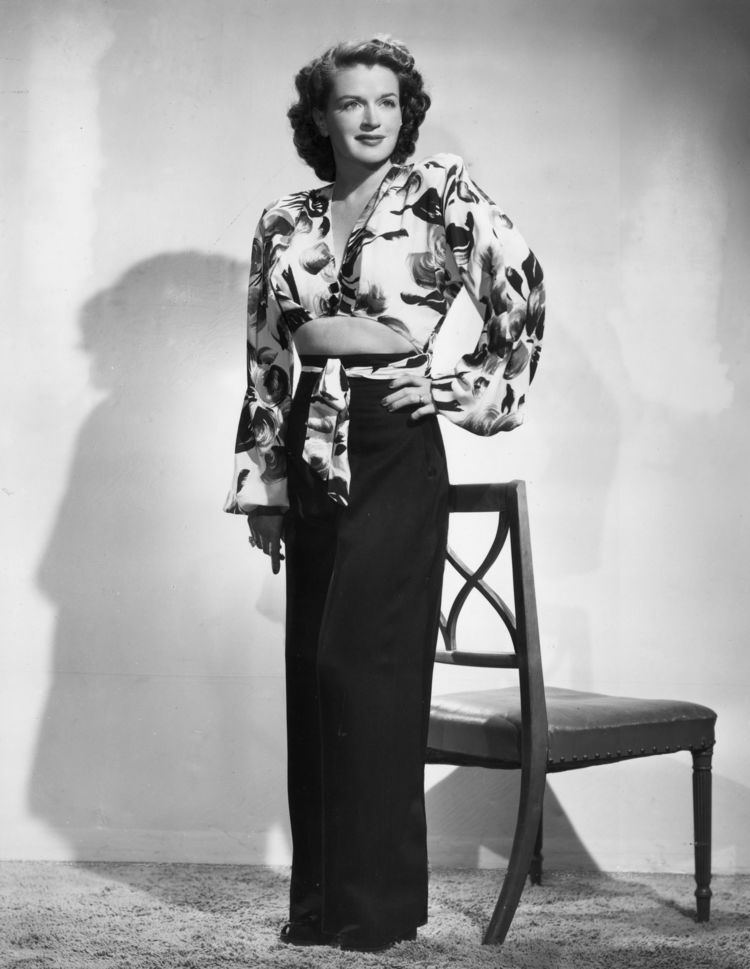
Hopelessly Devoted To: Ruth Roman

Published August 10, 2025 by biggayhorrorfan

Brash yet sophisticated, Ruth Roman was a dynamic celluloid broad. She lit up such nourish pictures from Warner Brothers as Strangers on a Train, Three Secrets, Lightning Strikes Twice and Tomorrow is Another Day. Whether sporting a sassy blonde wig (Tomorrow) or emanating patrician airs (Strangers), she always registered with a definitive presence.

Unsurprisingly, this aura continued to resonate throughout her latter-day credits, including a number of significant terror film projects. Her bombastic take on an overprotective mother in 1973’s truly weird The Baby is an important piece of exploitation history. Her roles in The Killing Kind (also 1973) and 1977’s Day of the Animals were less significant but were still filled with her patent gregariousness.

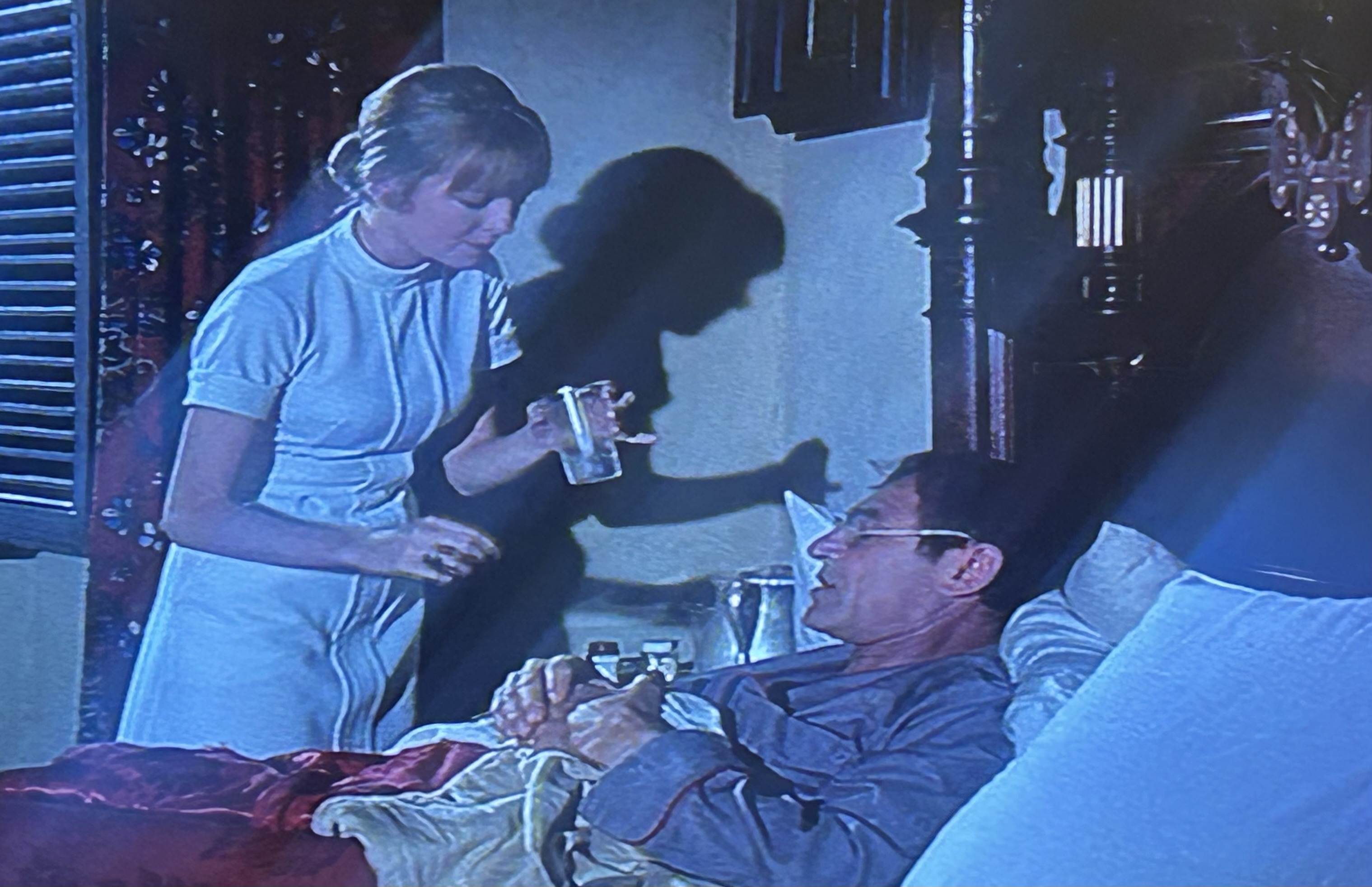
Meanwhile, one of her more interesting ’70s credits had her intersecting with two other queens of horror. As Adele Arnold, a retired big band singer, in The Disco Killer episode of Police Woman, Roman shared potent scenes with both Angie Dickinson (Dressed to Kill, The Maddening, Circle of Fear, Pretty Maids All in a Row) and Taaffe O’Connell (Galaxy of Terror, New Year’s Evil).

Convinced by Dickinson’s Pepper, the titular police woman, to take part in an undercover operation, Roman supplies Adele with a tough outer core underscored by a nostalgic, bruised heart. Portraying a character reeled into the mayhem in order to protect her estranged daughter (O’Connell) from a trio of trigger happy mobsters, Roman happily revels in being this story’s primary focus.

For those, like myself, who enjoy analyzing the background connections of various performers, the fact that Roman and O’Connell both expired at the hands of various monsters (both natural and unnatural) in their various celluloid outings makes them seem like natural co-conspirators as mother and daughter. That Dickinson was also a contract player for Warner Brothers makes her various scenes with Roman sing with a potent naturalness, as well.

Probably logged in as nothing more than a normal workday for all involved, I would still, time travel permitting, love to visit that set – if only for a brief moment or two.

Until the next time, SWEET love and pink GRUE, Big Gay Horror Fan!

www.facebook.com/biggayhorrorfan

Catching Private Ryan

Published July 5, 2025 by biggayhorrorfan

Ryan Phillippe knows his audience. 

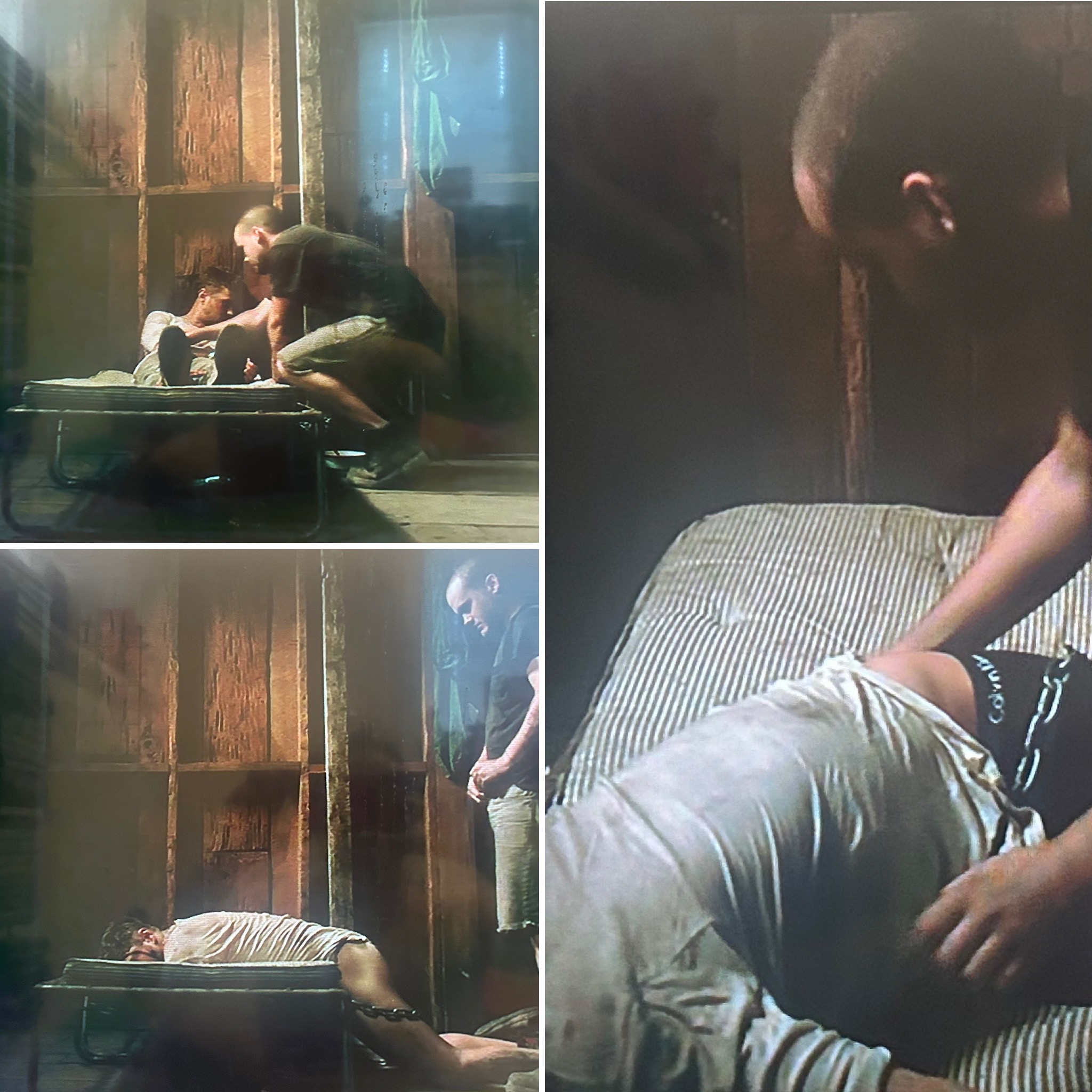
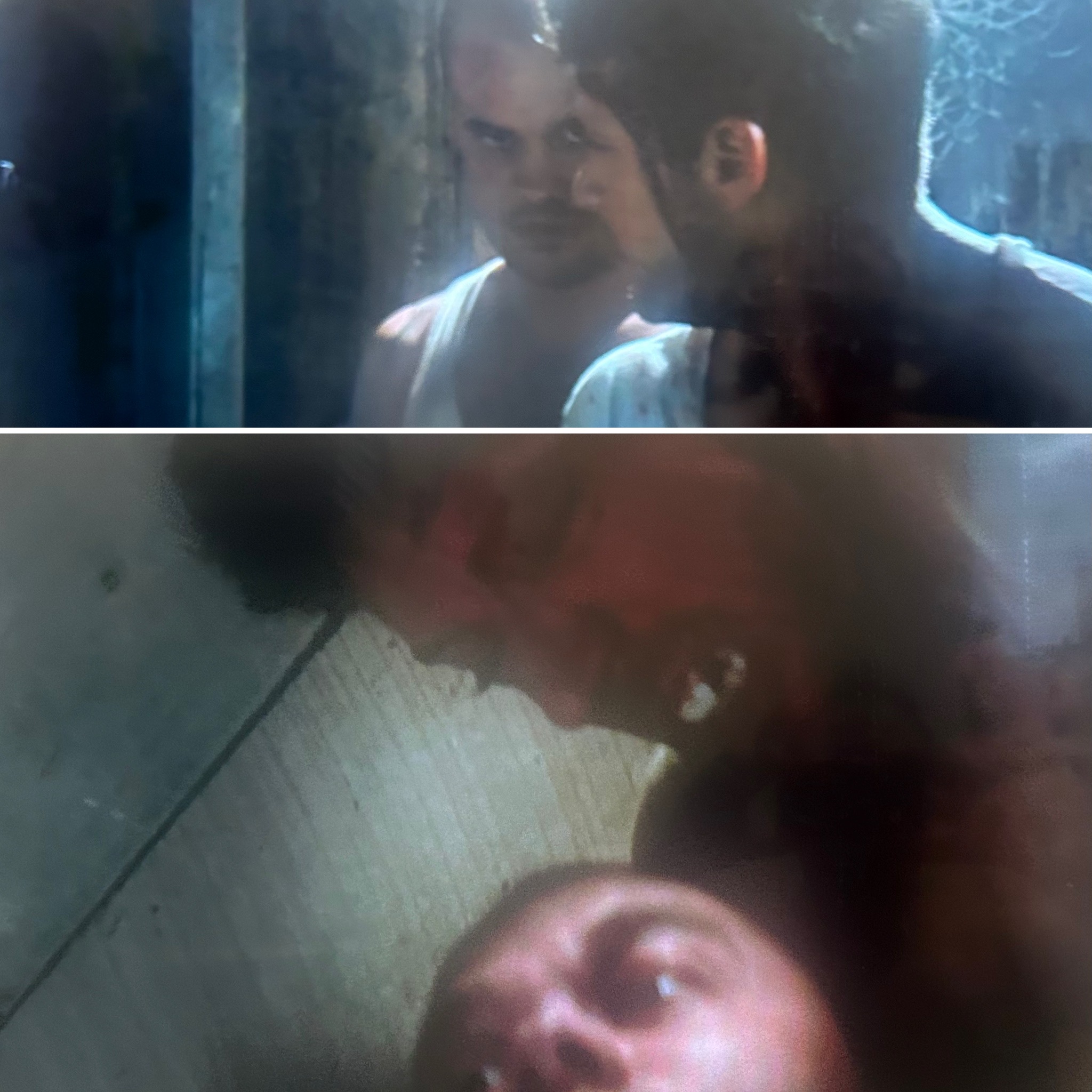
In 2014’s Catch Hell, his sole writing-directing credit, Phillippe plays Reagan Pierce, a liberally exaggerated version of himself. Down on his luck, the emotionally beleaguered Pierce accepts a lesser acting job in a Louisianian bayou town. Unfortunately, on the first day of filming, he is intercepted by two local men. Kidnapping him, they hustle him into a swamp ridden shack where they begin torturous games. Trying to break him mentally while simultaneously destroying his reputation via online shenanigans, the duo soon escalate matters into Straw Dogs territory.

As the shackled Pierce is continually bloodied, degraded and beaten, the audience (rightly) assumes that retribution will eventually be in order. Thus, we have the male equivalent of the rape-revenge film here. This becomes especially obvious once it is revealed that Junior (Stephen Louis Grush), one of his dimwitted captors, has sexual feelings for Pierce. Of course, this budding attraction first arose when Junior watched Pierce in action in a sexually charged teen drama, referencing Phillippe’s own work in Cruel Intentions. As my opening statement attests, this plot point proves that the actor is very aware of how much his portrayal of Sebastian Valmont effected his gay fans in their youth. 

Interestingly, these circumstances put Phillippe’s character in the same position as Camille Keaton in I Spit on Your Grave and Matilda Lutz in Revenge (among countless others). As the increasingly frenzied Junior tries to rape Pierce, Phillipe and Grush are exposed, both emotionally and physically, entering into vulnerable positions usually reserved just for female starlets. 

This attribute supplies Catch Hell with a sort of significance, making it a cultural oddity with some spark behind it. Occasionally feeling draggy and drawn out, there are enough scenes of essential weirdness here, particularly a bizarre film within a film during the closing credits, to make this of interest to cinema buffs. At the very least, the copious views of the backsides of Phillippe & Grush in the project’s most notorious scene will give those who like that sort of thing plenty of penetrative thought.

Until the next time, SWEET love and pink GRUE, Big Gay Horror Fan!

http://www.facebook.com/biggayhorrorfan
Music to Make Horror Movies By: Billy Idol

Published June 15, 2025 by biggayhorrorfan

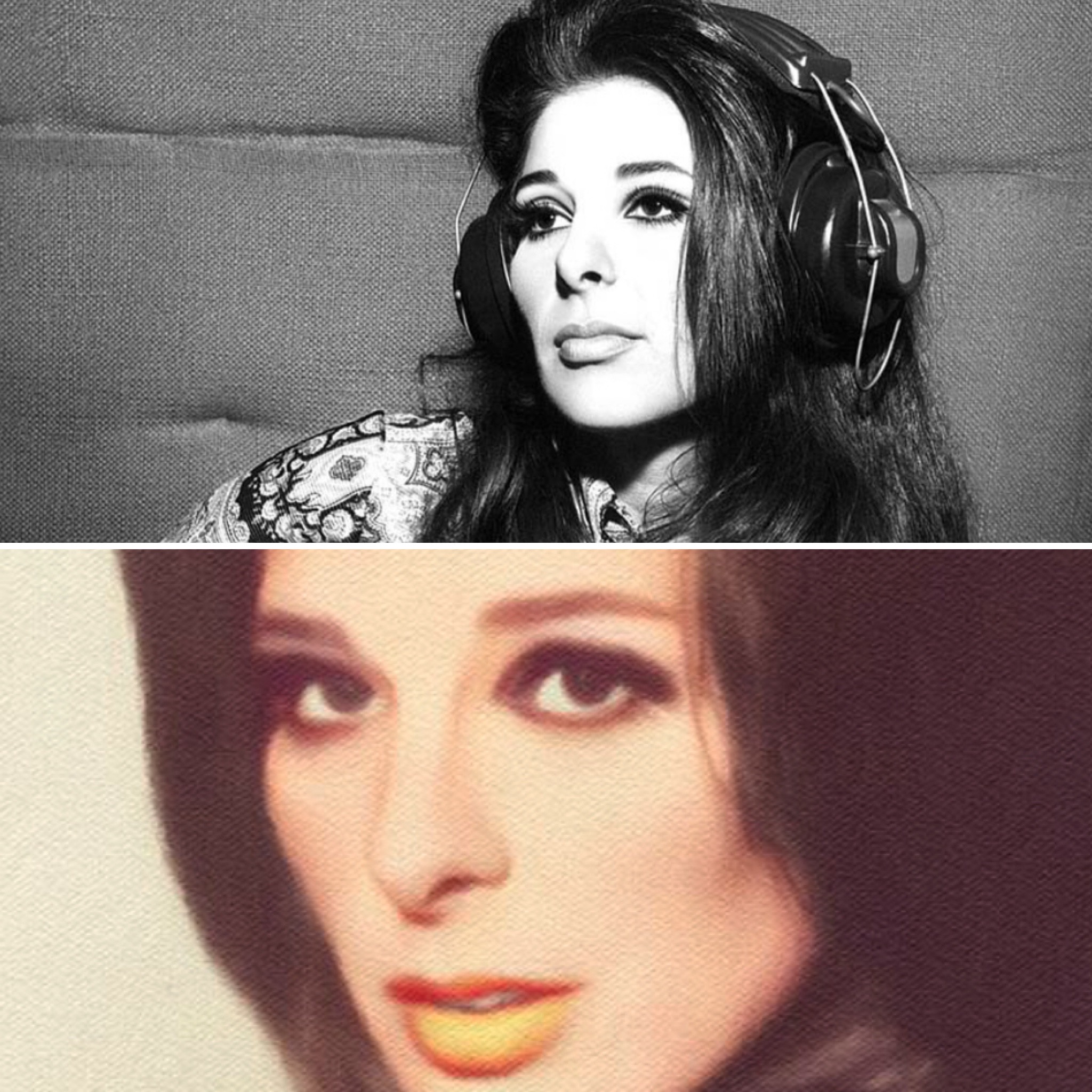
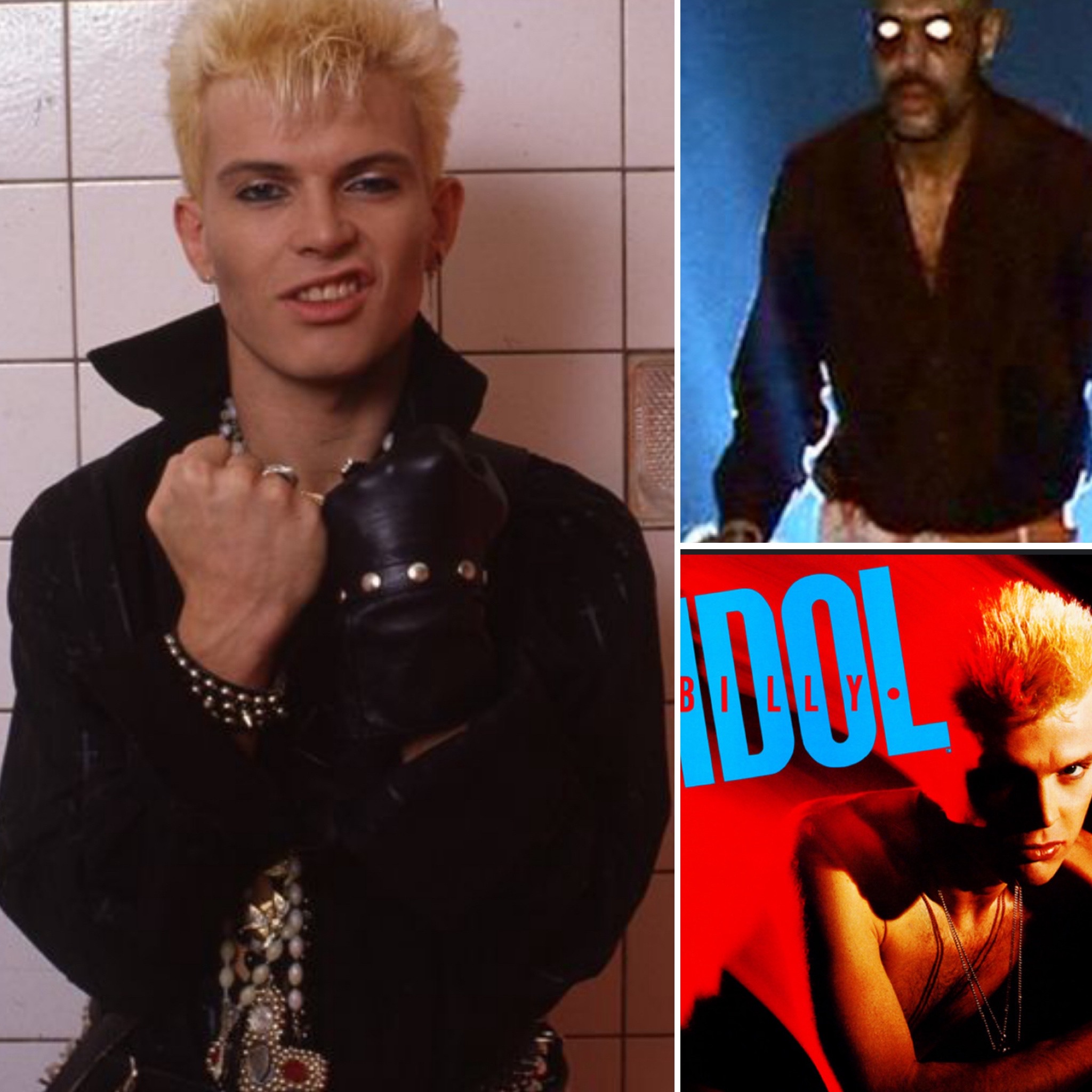
At 17, I really knew nothing about the gay community. I was growing up in a small farming town, surrounded by shit kicking, flannel shirt wearing earth outlaws. But somehow, I instinctively knew that the leather jockstrap sported by Billy Idol on the January ’85 cover of Rolling Stone was part and parcel of the queer male experience. I already had multiple crushes on all the smooth soap opera hunks from my favorite shows, but never before had I been quite so unabashedly titillated. 

I probably would have been even more turned on if I had been aware of Idol’s connections to the horror community in that era. 

As a fan of Texas Chainsaw Massacre and Poltergeist, he himself hired director Tobe Hooper to helm the post-apocalyptic video for Dancing with Myself. A couple years later, his music swirled out from celluloid bound speakers, accentuating the splattery action of Lamberto Bava’s Demons. Perhaps even more importantly, as the decades have flown by, many music critics have reassessed Rebel Yell, his second album, finding it to be one of the significant Gothic New Wave records of that era. This is unsurprising if you consider that the haunting Eyes Without A Face, one of that LP’s focal points, was influenced by the influential French horror movie of the same name.

Catering to that trend, in the years since, songs like Rebel Yell and White Wedding have worked their way onto the soundtracks of such projects as Bride of Chucky, Scream Queens, American Horror Story and The Chilling Adventures of Sabrina. The inclusion of that latter song in 2025’s Fear Street: Prom Night, which became the Number One film on Netflix within a day of its release, has surely introduced him to a bevy of younger terror loving fans, as well.

Who knows? Maybe some quivering twink in some remote village will even discover that long ago magazine image for the first time and find himself as transformed as I was all those years ago.

What the hell! For his sake….

Until the next time, SWEET love and pink GRUE, Big Gay Horror Fan!

http://www.facebook.com/biggayhorrorfan
The Missed Queering of Speak No Evil

Published May 27, 2025 by biggayhorrorfan

I’ve got more years behind me than before me. I don’t have enough time left on this planet to watch yet another film or limited television series where a powerful white man terrorizes a woman (either solo or with family in tow) for an hour and a half. This realization came to me when I was about halfway through 2024’s Speak No Evil, the Americanized version of a popular Danish horror film. The fact that it took me two or three months to finally finish it speaks to my weariness. 

Don’t we live in a world where that kind of POS has been granted far too much power, anyhow? I don’t need him as the primary figure of my entertainment orientated escapes. 

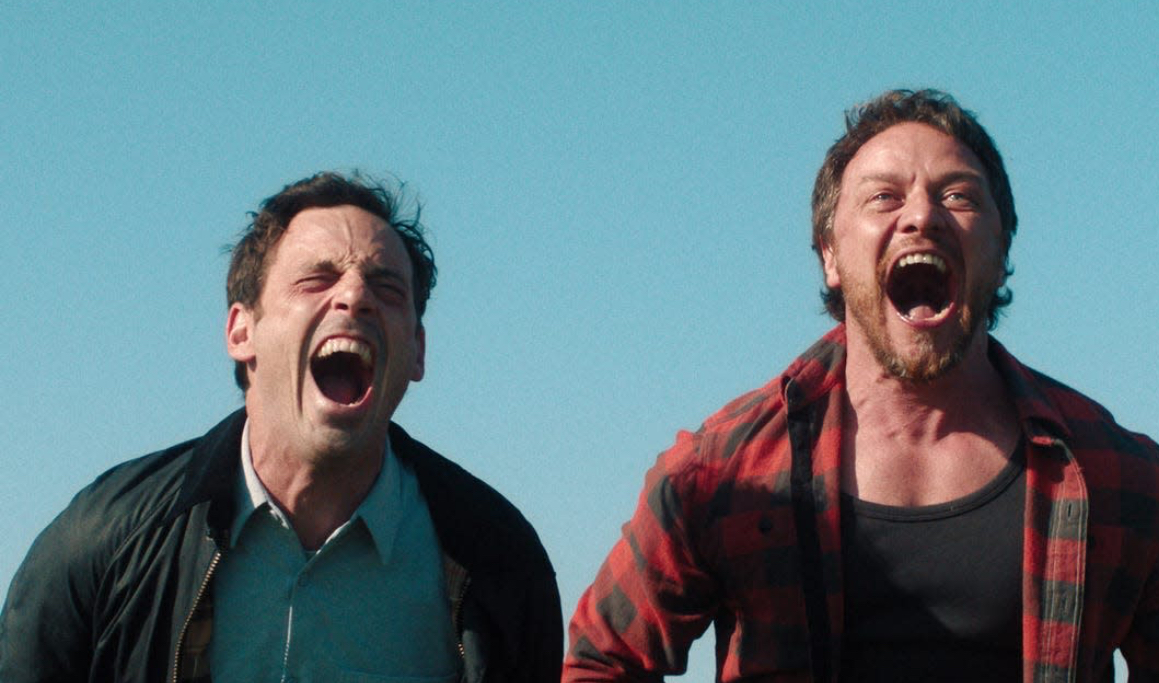
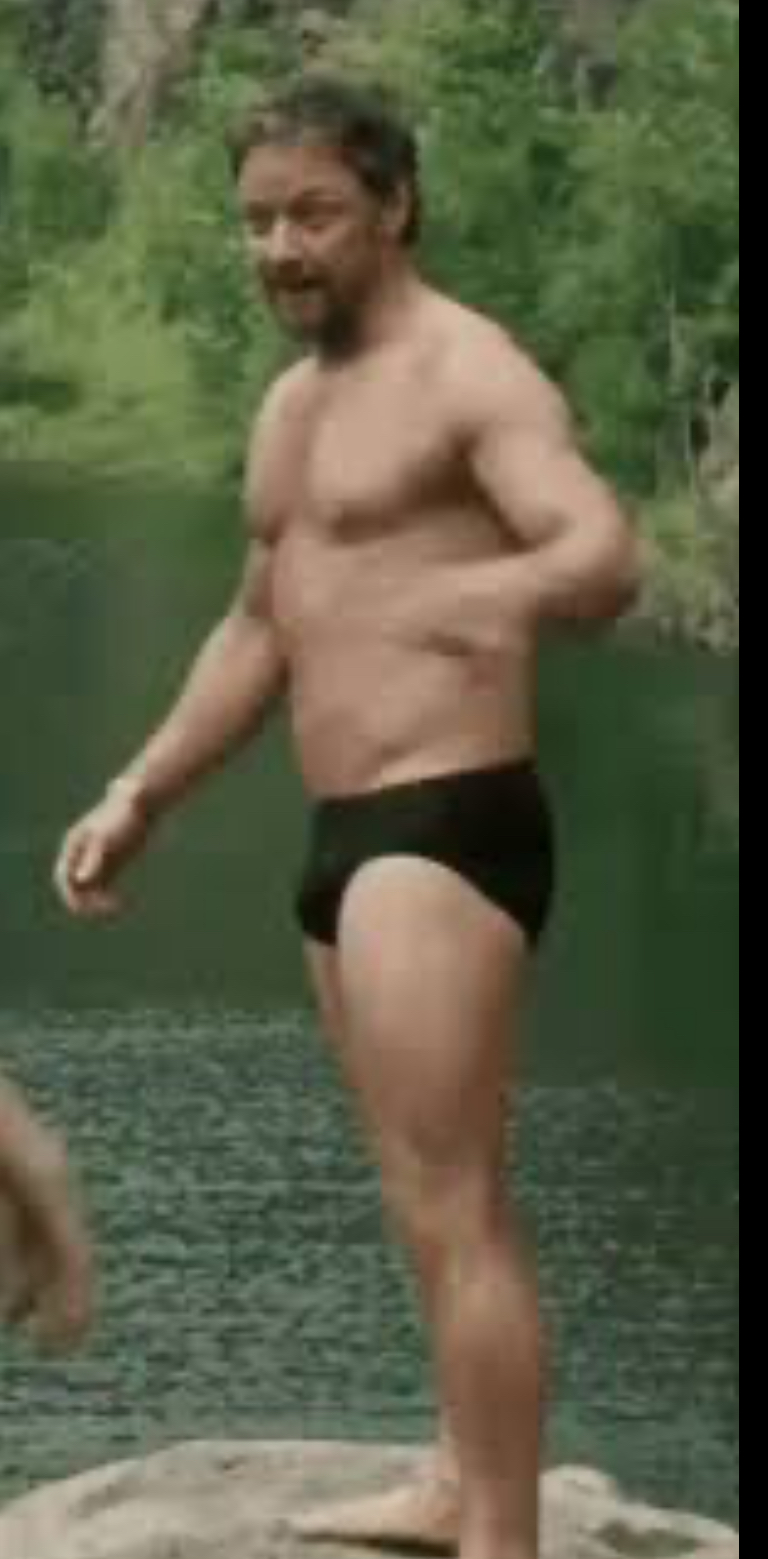
Granted, the more salacious side of my gayness wickedly sparked at this project’s midpoint visual of a beefed up James McAvoy stripping down to his black briefs for a swim. Sitting through the demented machinations of his character was another story altogether, though. 

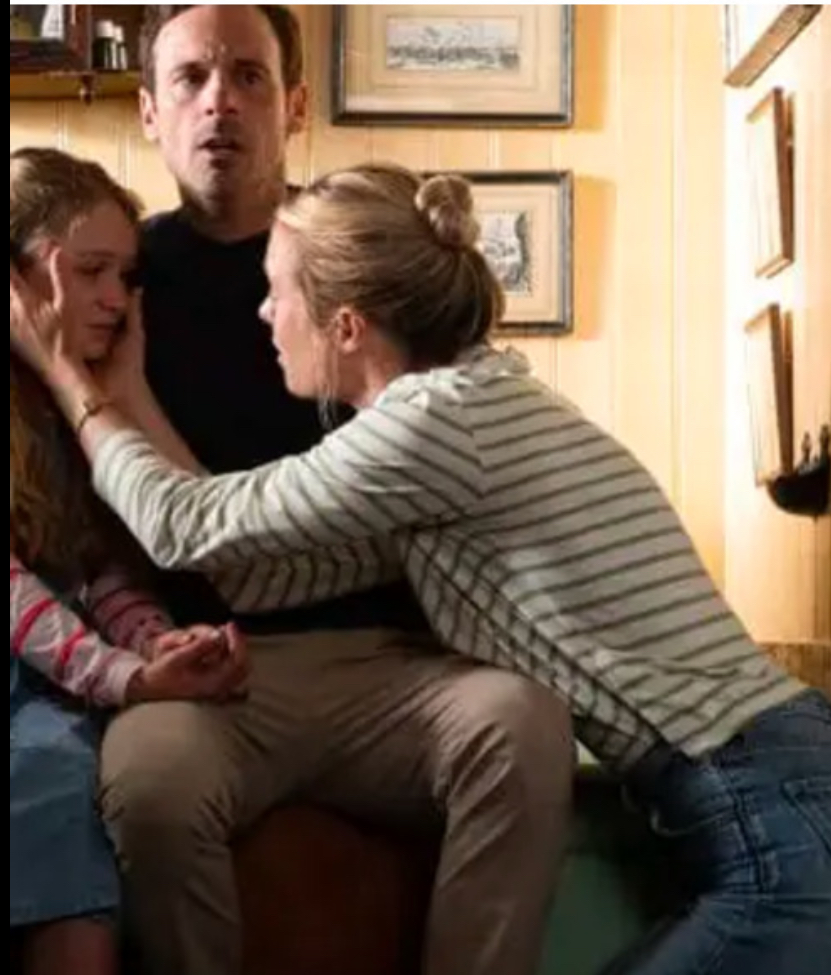
Of course, I might have taken more interest if the hinted at attraction between McAvoy’s Paddy and Scoot McNairy’s Ben had been more fully realized. While calculatedly setting a trap for Louise (Makenzie Scott) and her daughter, Alex (Alix West Lefler), Paddy makes off with the patriarchal side of that family unit, driving him into the woods for some manly bonding. 

The song that Paddy chooses to accentuate their macho excursion, though, is The Bangles’ ultra-romantic Eternal Flame. That tune becomes a central sonic focus of the project, making viewers – or at least this one – wonder if director/co-writer James Watkins was subtly hinting at something a bit more lavender in Paddy’s nature. 

But, ultimately, this twisted celluloid excursion soon does a forward freefall into Paddy’s deliriously violent attack upon Louise, Ben and Alex. All subtle nuances in character are swept aside for red faced, eye bulging mania.

The corporate, common line quality of this filmmaking is frustrating in it’s predictability. We definitely don’t need a mainstream, studio supported look at a dangerous homosexual – particularly in this politic climate. But turning Paddy into a sexually fluid manipulator of all who come into his path would have definitely given this film a fresh boost of life, turning a tried and true maniacal monster into something a little more joyfully perverse. This would have also taken some of the heat off of the basic, misogynistic notion of a woman and her child facing danger from yet another deluded, over privileged man. 

Until the next time, SWEET love and pink GRUE, Big Gay Horror Fan!

http://www.facebook.com/biggayhorrorfan

Ann Sothern: The Triumphant Kind

Published May 5, 2025 by biggayhorrorfan

Gay director Curtis Harrington was the George Cukor of the horror set. With filmic grace, he guided such pedigree blessed superstars as Gloria Swanson, Simone Signoret, Gale Sondergaard, Piper Laurie and Joan Blondell to blood curdling glory in such projects as Games, The Killer Bees, Ruby and The Dead Don’t Die.

Of course, his greatest achievement among the diva set just might be 1971’s What’s The Matter with Helen? That cult favorite, featuring the dueling frames of pert Hollywood sweetheart Debbie Reynolds and robustly complicated Academy Award winning Shelley Winters, did not, initially, set the box office on fire. But critically praised as one of the best post-Whatever Happened to Baby Jane? imitations, it has become a favorite among discerning terror lovers in the decades since.

But running a close second, in my opinion, to that lauded project is 1973’s gloriously sleazy The Killing Kind. This celluloid smudge features not only Ann Sothern, at her matriarchally pouty best, but the whiskey soaked Ruth Roman and catlike character actress Marjorie Eaton (The Time of Their Lives, The Snake Pit, Zombies of Mora Tau).

Revolving around Sothern’s blowsy Thelma and her often shirtless, sexual deviant son Terry (John Savage), the movie definitely fixes an unwavering gaze on Savage. Just released from prison due to participation in a gang rape, Terry is oddly juvenilized by Thelma, who forces chocolate milk and lipstick stained kisses upon him in abundant measure. Thelma is not alone in this kind of overindulgence. A spinster librarian (Luana Anders), a wanna-be starlet (Cindy Williams) and even Terry’s former lawyer (Roman) & an aging tenant (Eaton) of Thelma’s, all drip around him with moist concern and occasionally aggressive interest. 

In particular, Louise, Anders’ character, fantasizes about him sadistically violating her. Meanwhile, Rhea, played by Roman, seems more distressed over losing Terry’s case due to sexual affection for him than any career-style woes.

The plus side of these and other incidents is this is the rare exploitation outing that concentrates on male beauty, happily embroidered by a juicily femme cast. The psychology here, though, may leave something to be desired. The screenplay seems to suggest that the reason the deeply violent Terry erupts on a journey of uncontrollable revenge is all due to the fawning, overly needy women in his life and not extreme mental imbalance or some other layered factor. 

Still, as the lead-in paragraph indicates, Harrington works wonders with the female cast. Roman crams a variety of emotional flavors into her one scene while Anders brings a successfully bitter, almost acidic, texture to her characterization. 

Magnifying them, Sothern sinks her teeth into every neurotic tic of her character, creating a childishly odd but truly believable human. Supporting roles would follow for this veteran actress, but in this, her last leading role, she and Harrington absolutely eek every morsel of strange goodness that there is to be found in the circumstances at hand. 

Until the next time, SWEET love and pink GRUE, Big Gay Horror Fan!

http://www.facebook.com/biggayhorrorfan
Riskless Revenge: Barbara in Asylum

Published April 27, 2025 by biggayhorrorfan

Any gay person who grew up with a overbearingly possessive mother knows the torture of having your every move dictated and the lack of freedom such attentions often bring with them. Such individuals may find much to relate to in the character of Barbara from the Lucy Comes to Stay segment of Asylum, the classic Amicus horror anthology film.

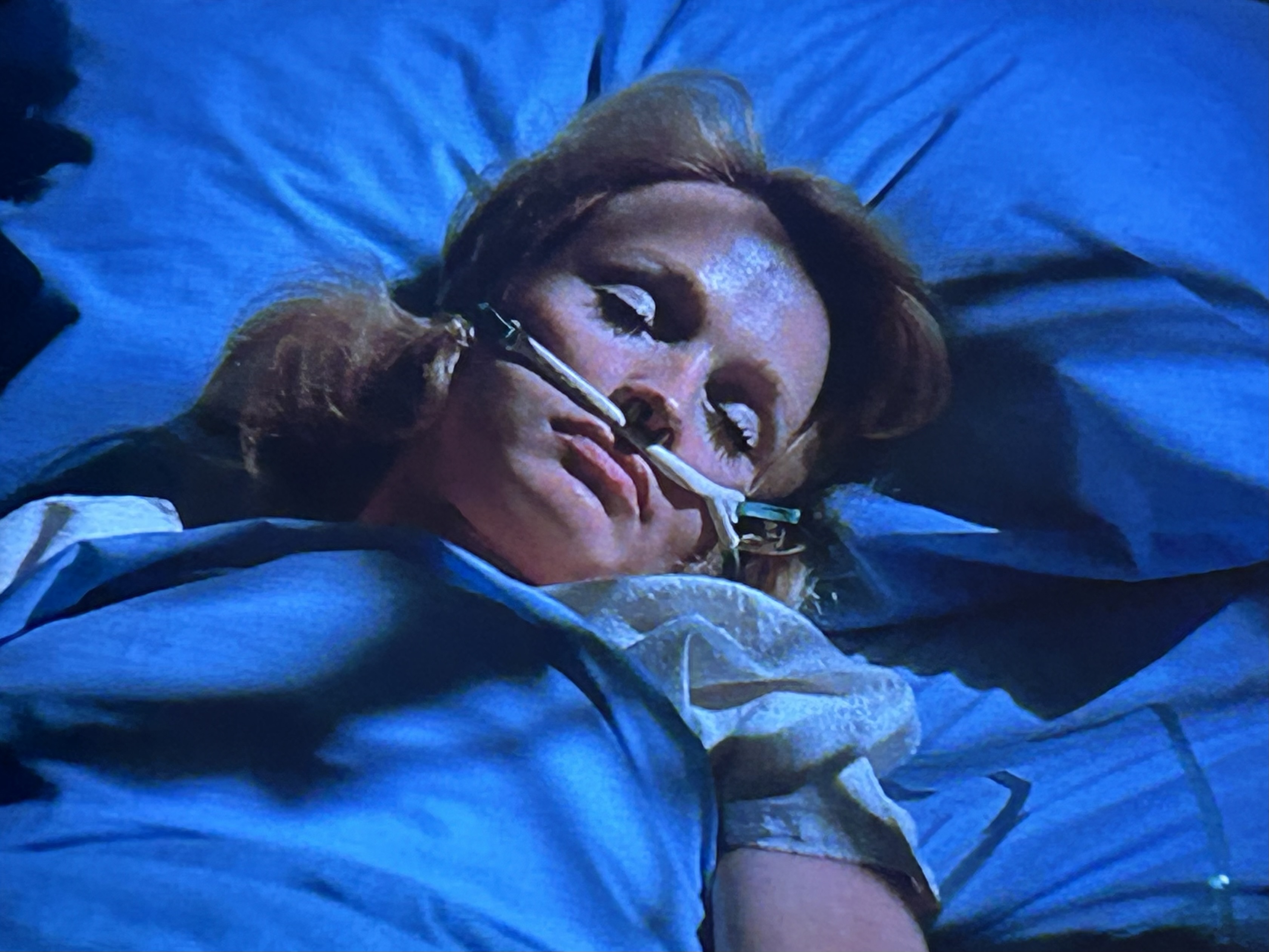
Recently released from a mental institution, Barbara (Charlotte Rampling) is immediately facing a different prison upon returning to her family home. Her brother George (James Villiers) has hired a softspoken yet dominating nurse (Megs Jenkins) to take care of her. Thus, she is forced into bed and given a sedative before she even has a chance to reacquaint herself with her ancestral surroundings. In a few moments, it is apparent to the audience that this is how she is going to spend most of her future days – with no sense of self-control or true freedom.

Rampling so expertly conveys the panic-feeling of her character’s entrapment that it is no real surprise when Lucy (Britt Ekland), Barbara’s seductively blonde alter-ego, appears to assist her. Playing her role with an almost gleefully sly sense of humor, Ekland’s Lucy has soon disposed of both of Barbara’s antagonists, momentarily freeing her to live fully and without apparent restraints. 

Of course, things don’t end exactly as anticipated in the quick segment, with Barbara eventually ending up in the titular establishment again. 

This short scenario ultimately encapsulates, though, why genre film is so important. It allows us, as viewers, to, voyeuristically, watch someone act out against the fictional representations of things that have harmed and/or subdued us.

This riskless revenge, in turn, ties us emotionally to the performers and films that allow us this psychological escape – proving, as always, that art of all forms is truly worth its weight in metaphoric gold.

Until the next time, SWEET love and pink GRUE, Big Gay Horror Fan!

http://www.facebook.com/biggayhorrorfan
Review: it’s been ten years…

Published April 3, 2025 by biggayhorrorfan

Move over, Regina George! It’s now Alexis Queen’s Betsy that may just be the most manipulative ex-schoolgirl to ever breathe, creatively. 

Indeed, this former cheerleader, one of the main characters in Cesario Tirado-Ortiz’s it’s been ten years since everyone died. a play about final girls is not only seductive, often destroying the hearts of her fellow survivors, but she just might be hiding one of the juiciest secrets to ever hit the stages, as well. 

To be specific, the stage in question here is the Open Space Arts in Chicago, where Ortiz’s deeply psychological, yet truly fun horror piece is running until April 6th. As directed by Teri Talo, Queen imbues this love letter to our magnificent heroines of terror with an edgy sweetness that always makes you wonder just exactly what Betsy is truly hiding.

With the show’s major plot points taking place at a deserted psychological retreat in the woods, – nothing bad is going to happen there, right?!? – Queen is, unsurprisingly, joined by a strong group of castmates – Julia Toney. Noah Hinton and Alex Marusich. Nicely, the majority of Ortiz’s remaining characters are nonbinary and transgender, giving the show a very DIY, LGBTQ+ energy. 

Naturally, our favored genre can only benefit from this type of exciting inclusivity and one hopes that there is more to come from Ortiz and their ilk.

For those living in or visiting the Midwest, be sure to check out https://openspacearts.org/ to find out more about this love letter to slashers and the powerful, sometimes deeply damaged women who make them so relatable.

Until the next time, SWEET love and pink GRUE, Big Gay Horror Fan!

http://www.facebook.com/biggayhorrorfan
Hopelessly Devoted To: Gwen Verdon

Published March 9, 2025 by biggayhorrorfan

One-of-a-kind Broadway diva Gwen Verdon’s work was, primarily, centered around her graceful onstage antics. Thankfully for devoted fans everywhere, she occasionally engaged in performances of the celluloid variety as well.

Most importantly, genre-wise, she gave a sexy yet sorrowful performance in 1973’s Deadly Visitor, part of ABC’s very popular The Wide World of Mystery film series. Based on a story by Fitz James O’Brien, a 19th Century fantasy author from Ireland, this particular episode focused on a young writer named Jamie (Perry King) who discovers that his room at a boarding house is haunted by a mysterious presence.

As Mrs. Moffat, the landlady of the specter ridden establishment, Verdon smartly uses her considerable training to sensitively illustrate the monologues she delivers to King’s Jamie. Widowed and lonely, she seduces the lad with a heartfelt need. Of course, when the driven & curious Jamie manages to capture and begins to experiment on the invisible entity, her character’s hysteria slowly builds. Like many a frightened heroine before her, Verdon excels in these moments of increasingly nervous activity, as well.

Interestingly, this teleplay was produced by Jacqueline Babbin, an entertainment juggernaut who gained fame for her work on All My Children. She is joined, behind the scenes, by another powerful woman, Lela Swift, who directs. Swift, who made a name for herself as one of the top directors of the original version of Dark Shadows, surely knows the atmosphere needed to make this story successful and several of the scenes here are truly chilling. In particular, Swift should be commended for the visceral moments where the audience can actually see the ropes, which are wrapped around the titular invisible creature, move up and down as it breathes.

Of course, fans of musicals probably aren’t too surprised by Verdon’s success here. As Lola in 1958’s Damn Yankees, she is the slippery incarnation of lustful evil. There, as the devil’s favored assistant, she tries to lead a troubled baseball player to the dark side forever.

Continuing this trend in the ’80s, but at a slight angle, she played a number of attention-stealing, nearly evil mothers in episodes of such shows as Fame and Hotel.

Of course, even though the theatrical lights dimmed, deeply, with her death at the age of 75 in 2000, she lives on in her excellent work, happily viewable with the simplest (yet incredibly effective) google search.

Until the next time, SWEET love and pink GRUE, Big Gay Horror Fan!

http://www.facebook.com/biggayhorrorfan
Halloween Highlight: Slumber Party Massacre II

Published October 14, 2024 by biggayhorrorfan

My favorite fall feature in (the late, lamented) Soap Opera Digest was their round-up featuring the performers talking about the horror movies that they had starred in. All these years later, I’m still thrilled whenever I discover someone known for their work on daytime in a terror project.

I grew up watching the CBS soaps, the channel my mother loosely watched as she went about her daily tasks. One of the plotlines that I most remember involved The Young and the Restless‘ then bad boy Paul (Doug Davidson). As many serial cads before him, he had gotten a mousy lass named April (Cynthia Eilbacher) pregnant. After she refused to bow into his pressure to abort the child, the two entered into a brief, unsuccessful marriage. Permanently rejected, soon thereafter, the quiet, downtrodden girl left town.

Flash forward: My senior year in college, I moved into an apartment with access to multiple cable stations and I was soon taping late night horror movies, left and right. One of my favorite discoveries was Slumber Party Massacre II. A zany, rock n’ roll infused cartoon, it also gave a nod to the complicated factors involved with burgeoning female desire and almost worked as a parody of the (even then) often by-rote practices of the traditional slasher film.

To my extra hyphenated delight, Eilbacher even popped up, in a series of frenzied flashback sequences, as Valerie, the first film’s now very traumatized heroine. 

Earnestly, this past weekend, while prepping to interview Deborah Brock, the film’s writer and director, onstage at a film event, I mentioned how much the presence of one of my favorite former soap actresses in the film meant to me. Gregariously, Brock let me know that Eilbacher was a true professional and a great actress to work with. In fact, as a practitioner of The Method style of acting, she got so worked up in her audition that she ran from the room, crying. Brock followed her into the hall and assured her that everyone in the room had been very impressed.

On set, Eilbacher’s intense commitment continued. She would often rock, rhythmically, by herself in the corner or crawl under the set’s bed to prep for the emotional scenes that were soon to follow. A number of crew members, concerned about her mental state, were soon placated by Brock, who informed them that the actress was just getting into character and was totally fine.

Thus, the next time you view the film – hopefully sometime this Halloween season – keep in mind that Eilbacher truly dug deep, allowing you to experience the true depth of Valerie’s longstanding torment, adding a vital component to the cult film’s long lasting, overall enjoyment. 

Or, thanks to Brock (pictured, above, at Laurie’s Planet of Sound in Chicago), you can forgo that serious look at thespianism and just focus on the film’s manic, guitar infused fun!

Until the next time, SWEET love and pink GRUE, Big Gay Horror Fan!

http://www.facebook.com/biggayhorrorfan
Queer Horror: The Slumber Party Massacre (1982)

Published October 5, 2024 by biggayhorrorfan
After a 9-year publishing odyssey, Queer Horror: A Film Guide is finally a reality. For a variety of reasons, not all of my pieces made the final cut. I will share some of those unpublished essays here, from time to time. A link to purchase the book is featured, below, as well.

The Slumber Party Massacre (1982)

Writer: Rita Mae Browne, Amy Holden Jones (uncredited)

Director: Amy Holden Jones

Cast: Michelle Michaels, Robin Stille, Michael Villella, Debra De Liso, Andre Honore, Joseph Alan Johnson, Pamela Roylance, Brinke Stevens, Pamela Canzano

Beginning life as a script entitled Don’t Open the Door, director Jones heavily reconfigured writer Browne’s original work while still retaining that legendary lesbian author’s humorous, feministic intent here.

The plot, unsurprisingly, is typical ‘80s slasher fare. A notorious killer (Villella) escapes from the psycho ward, descending upon a group of momentarily parentless teens who are imbibing beer and pot while indulging in sexual antics. Yielding his drill like a phallus, the killer makes his way through the hard-partying population until the final act when the very pretty, very unpopular girl next door (Stille) puts a decisive end to his days of murderous marauding.

Low budget even by typical grindhouse standards, this film ingratiates itself by smartly emphasizing the real-life fear of losing one’s virginity with almost every death sequence and by broadening the perspectives of its feminine protagonists. Led by the subtly assured De Liso as Kim, the female teens here are more knowledgeable about sports stats than their male counterparts and gender stereotypes are subverted with all of the film’s maintenance support staff being played, nonchalantly, by women, as well.

Despite Browne’s involvement, the Sapphic action is ultimately understated here. Reversing expectations once again, the girls’ kindly coach (Roylance) is decidedly soft spoken. Only Canzano in her short scene as a carpenter gives off a decidedly gay vibe with her fun, efficient characterization.