
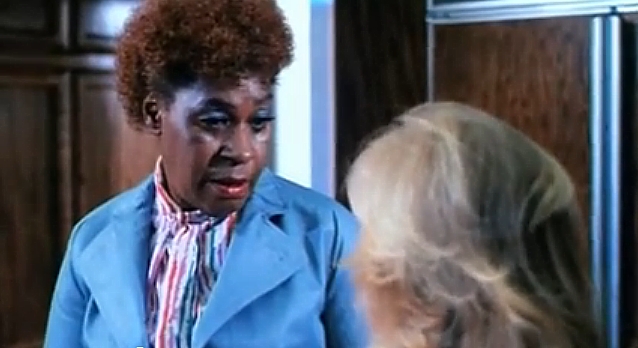
Joseph Alan Johnson is the perfect Pride Month horror film icon. As an actor, he appeared in such ‘80s low budget efforts as the classic The Slumber Party Massacre, Berserker, which recently received a deluxe reissue by Vinegar Syndrome, and Iced, which he wrote and appeared in with his beloved TSPM co-star Debra De Liso, A few years in Europe resulted in credits with some of the masters of the giallo art form, as well.
His greatest work may have been on the stages of professional theaters in Florida, though. Settling in Saint Petersburg to attend to the needs of his ailing parents, Johnson wrote a number of plays that revolved around his experiences as a gay man in the arts and as a proud member of the LGBTQIA community. His works were often comedies, but also truly celebrated the heart and soul and the wonderful fluidity of the queer community.
https://www.tampabay.com/features/performingarts/after-misadventures-in-hollywood-theater-mainstay-joseph-alan-johnson/1215626/

When I met him in 2013, he was attending his first convention as a celebrity guest. We discovered that we had theater friends in common and had several long chats about life and the arts. In one of our first conversations, he mentioned his disappointment in how his career had unfolded, that he thought his mother had expected him to go much further than he had. I assured him that I thought he had done a lot of fascinating work and by the weekend’s end, he seemed to feel the same. It was nice to watch him discover that while celluloid buffs from all walks of life appreciated his work in TSPM, the film that was being honored at the Cinema Wasteland event that we were at, they also knew about and appreciated his other film efforts, as well.
Upon learning of his unexpected death earlier this month, I was glad to know that he left this particular coil with the knowledge that his body of work was not only appreciated by so many, but that it will also live on for ages to come. It also seemed significant to me that Slumber Party, his most recognized work, has such strong ties to feminism and, with its initial script being penned by the legendary lesbian author Rita Mae Brown, to the gay community, as well.
That is a legacy anyone could be proud of. Thus, let us all hope that he travels to future planes with joy and a true sense of accomplishment guiding his way.

Joseph Alan Johnson (6/25/57-6/10/20)
Until the next time, SWEET love and pink GRUE, Big Gay Horror Fan!
www.facebook.com/biggayhorrorfan



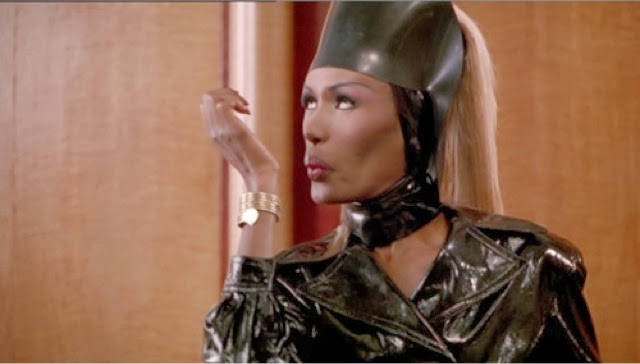
 But she coolly and efficiently turned the tables on the more dominant sex as the advancement minded

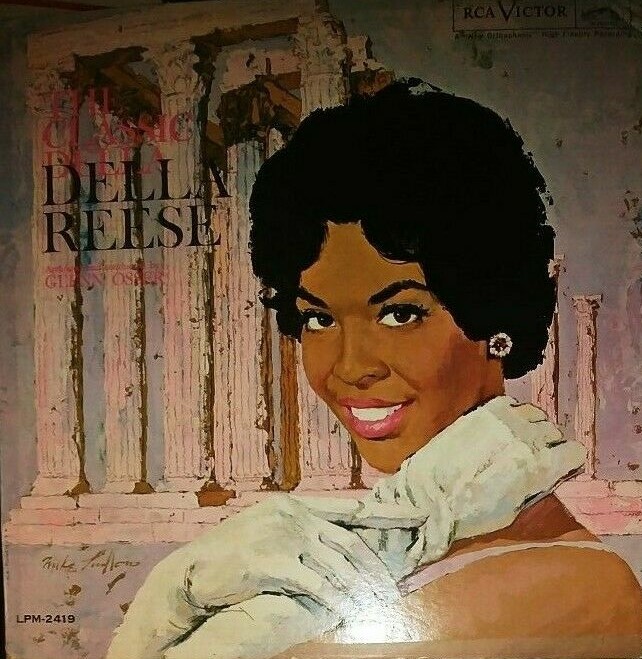
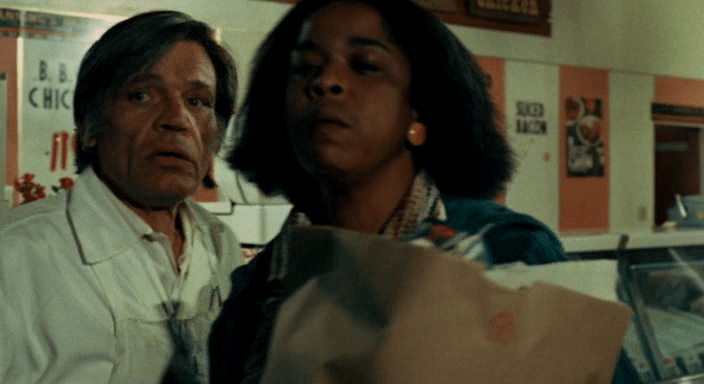
 Growing up in a small farm town of 600 in the ‘80s, most of my crush material was derived from soap opera broadcasts and late-night horror flicks on HBO. Oftentimes, there was cross pollination of the genres – Steve Bond (

 If there was anyone who could put the fear into cinema royalty like Bette Davis it was the proudly irreplaceable Maidie Noman. As Elvira Stitt in the classic femme centered horror celebration

 Nicely, two of the over 100 credits that distinguish her creative output include

