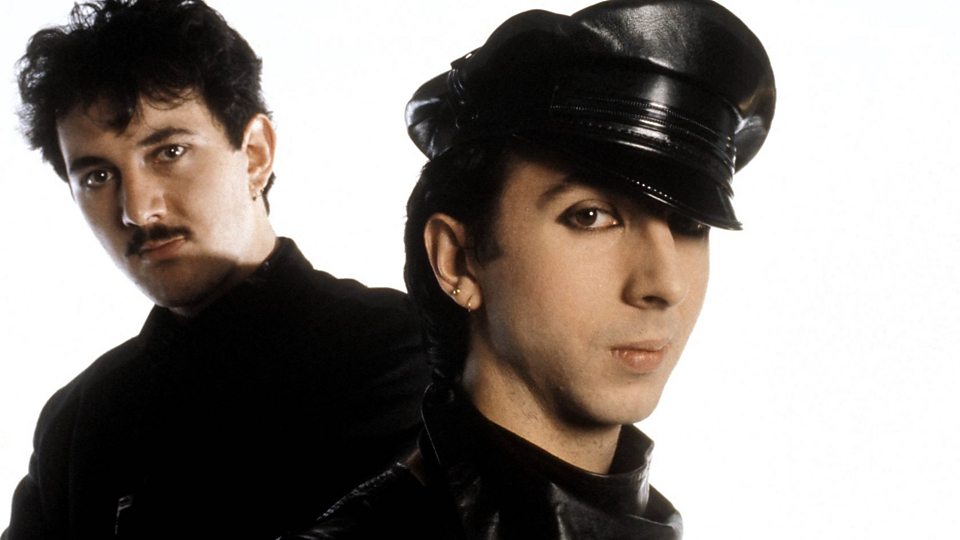
Forever recognizable for their insanely popular version of Tainted Love, Soft Cell was the leather edged ’80s band that most celebrated gothic sex and queer culture. Lead singer Marc Almond’s homosexuality and creative worldview definitely, and often ingeniously, shone through in every one of the band’s singles.
The often dark landscapes of numbers such as Seedy Films and Martin, based on the George Romero classic, also make them a seemingly perfect band for horror soundtrack inclusion. Surprisingly, it has only been recently that their most famous tune has wound up in such genre based television shows as The Haunting of Bly Manor (2020) and Dead Ringers (2023).
But then again, our own imaginations might provide better celluloid context for such haunting yet hopeful numbers as Torch. Indeed, Almond’s homage to the divas who help inspire the loneliest among us, might just be the most perfect post-Pride Month tune in existence.
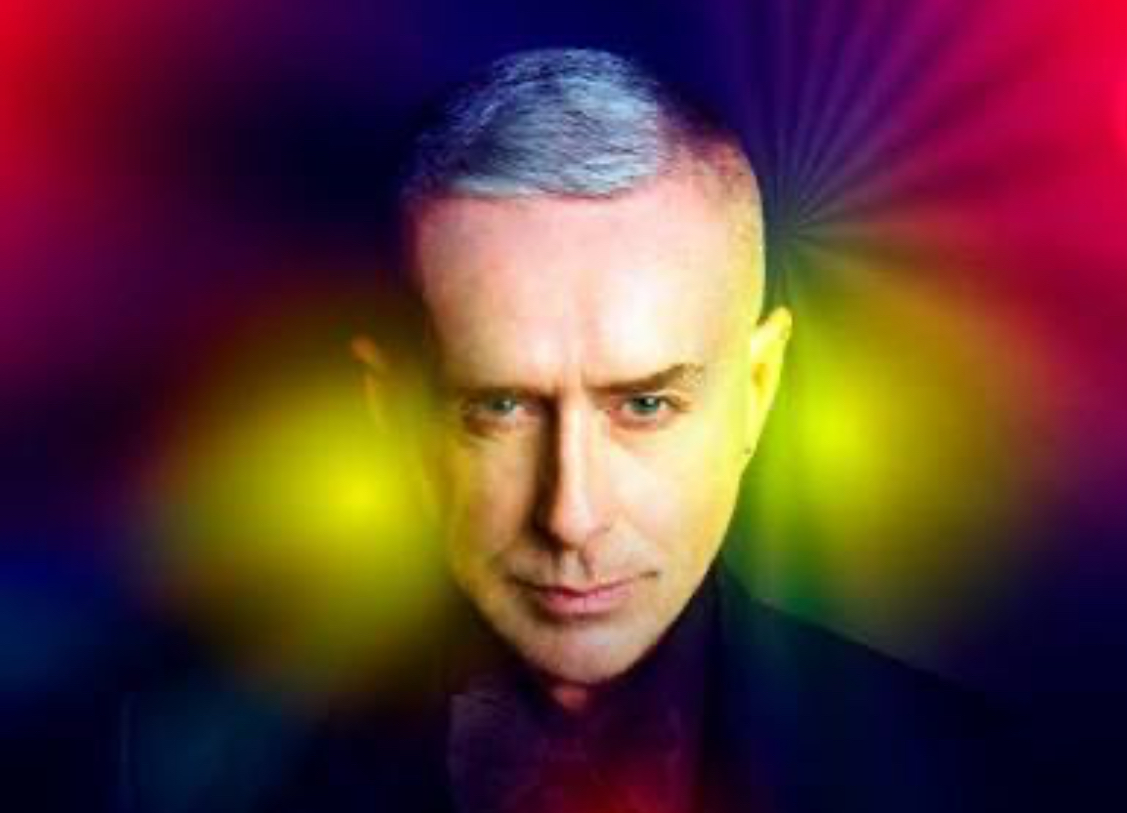
Frankie Goes to Hollywood, fronted by the irrevocable Holly Johnson, was perhaps the first New Wave-style band with a decidedly homosexual attitude to make it to the big time. In the early to mid-80s, you couldn’t escape their sexually charged hit Relax. It was even memorably used in Brian DePalma’s kinky, Vertigo-like Body Double.
While their second album, Liverpool, couldn’t compete, commercially, with Welcome to the Pleasuredome, their debut, it still produced a number of singles and beloved songs. The first track off of that LP, Warriors of the Wasteland, was even used in the latter-day giallo Too Beautiful to Die in a fashion shoot sequence worthy of The Eyes of Laura Mars.
While that initial two-fer marked the extent of that pertinent band’s output, Johnson has continued to record on his own. More importantly, having lived with HIV for decades, he is a true symbol of the power and beauty of the queer community.
A legendary fighter and a LGBTQIA icon, you can keep up with his upcoming activities at http://www.hollyjohnson.com.
“Fear is knowing the right answer while hoping it’s the wrong one…take the safety off the gun.” – Marital Streep
She, smartly, mixes the ’80s No-Wave Disco vocals of NYC’s Cristina with soundscapes that feel like driving, late at night, on Chicago’s Lake Shore Drive. Thus, musician Marital Streep is making music that deserves to decorate the soundtrack of your newest favorite movie.
Nicely, due to the wide range of her inspirations, the celluloid masterpiece she might potentially be underscoring could be a slick William Friedkin style action-fest or a visually kaleidoscopic modern horror piece.
Unconvinced? One listen to Violent by Consent, her recently released EP, will definitely change your mind.
Streaming on all major platforms, you can also support indie art by purchasing the tracks directly from her at: Violent by Consent | Marital Streep.
Coming out a bisexual in an interview with Mother Jones in 1985, musician Dave Wakeling has often proven himself to be ahead of the bar, creatively and culturally. Best known for being an integral member of such popular New Wave bands as English Beat and General Public, he has also built a solid career for himself as a solo musician and composer.
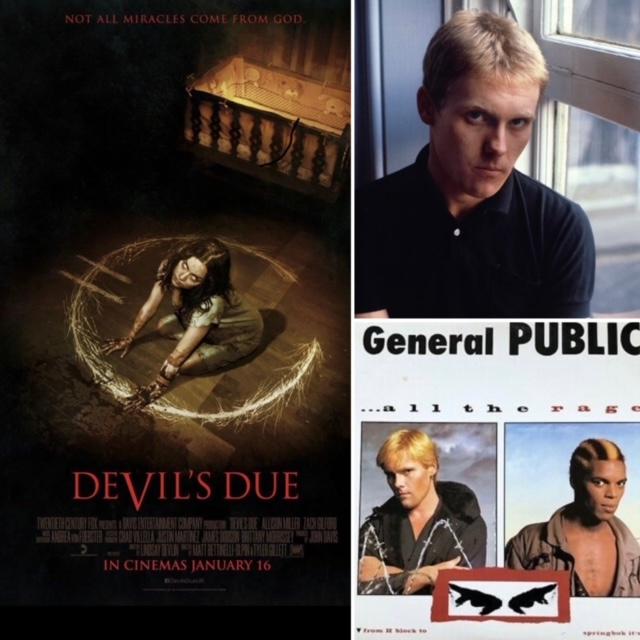
The LGBTQIA community may know him best for General Public’s cover of I’ll Take You There, a song that was prominently featured in the queer-centric Threesome. Horror enthusiasts, especially those who love a Rosemary’s Baby inspired possession tale, may remember him for the inclusion of GP’s classic Tenderness in Devil’s Due, a recent found footage kiddo’s-gone-bad offering.
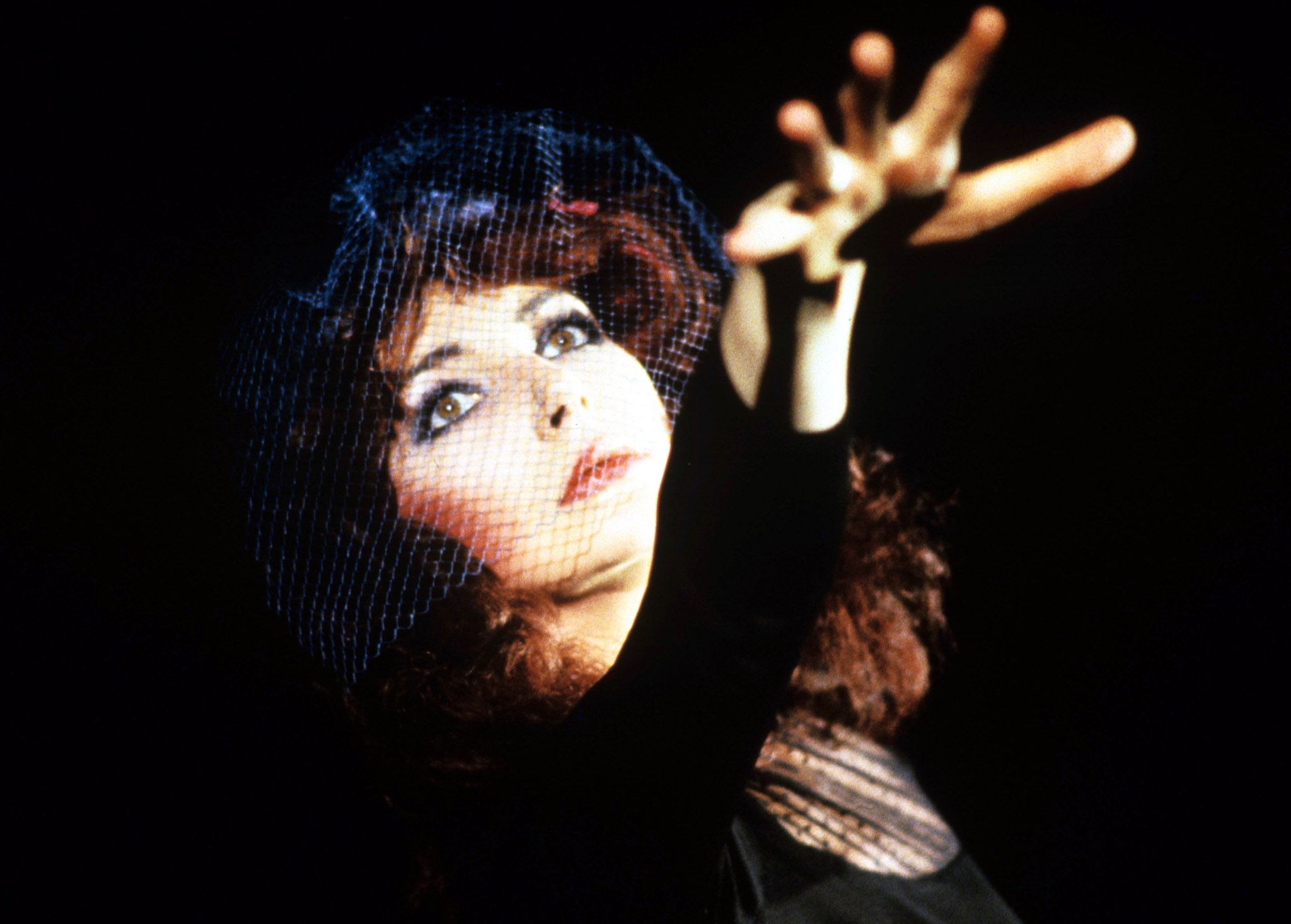
Music has that distinctive power to shoot you into various points in your timeline. A recent listen to Sad Day, the FKA Twigs’ track that owes much sonic inspiration to the genre hopping brilliance of Kate Bush, brought me back to my high school days. As with many LGBTQIA youth, those years weren’t my happiest. One fond memory does linger with me, decades later, though.
My parents always seemed to be late to pick me up from activities. Sometimes I waited for hours outside of buildings or, in happier and warmer circumstances, in lonely, darkened hallways. My senior year I was in a production of William Inge’s Picnic and, after opening night, I found myself all alone in the shadowy caverns of the school cafeteria waiting, once again, to be familially retrieved. I had a huge broken down cassette player with me and I spent the entirety of my waiting time listening to The Kick Inside, Bush’s glorious debut recording, which I had bootlegged from a bootlegged tape of a friend. Soaking in the genius of Bush’s nimble soprano fed lyrics in that solitary state, I realized the space I was in would soon be a distant memory. I felt profound and beautiful, inching a bit closer to the wild creative freedoms of adulthood.
Fans, of course, know that particular recording features Wuthering Heights, a beautiful homage to the world famous gothic novel. Bush would continue to explore those darker worlds in subsequent recordings, including Lionheart’s Hammer Horror. Detailing the travails of an actor being haunted by another while taking on the role of The Hunchback of Notre Dame, this single was a mild chart success in Britain, but is held in high regard by nostalgic horror lovers everywhere.
Bush, of course, is still continually evoking worlds of mystery and grace at http://www.katebush.com.
Until the next time, SWEET love and pink GRUE, Big Gay Horror Fan!
Best known for her enthusiastic portrayal of Pink Lady Paulette in Grease 2and for her famous lineage, Lorna Luft also joined the ranks of horror goddesses with her role in the Tales of the Darkside episode The Shrine.
The veteran of countless musical theater productions, Luft also knows her way around a torch song as evidenced by her take on The Music That Makes Me Dance:
Of course, New Wave enthusiasts are aware that she also backed up the likes of Debbie Harry, most notably on the popular Eat to the Beat track Slow Motion, and Hilly Michaels in the early ‘80s, making this performing dynamo a true delight in almost every entertainment medium imaginable.
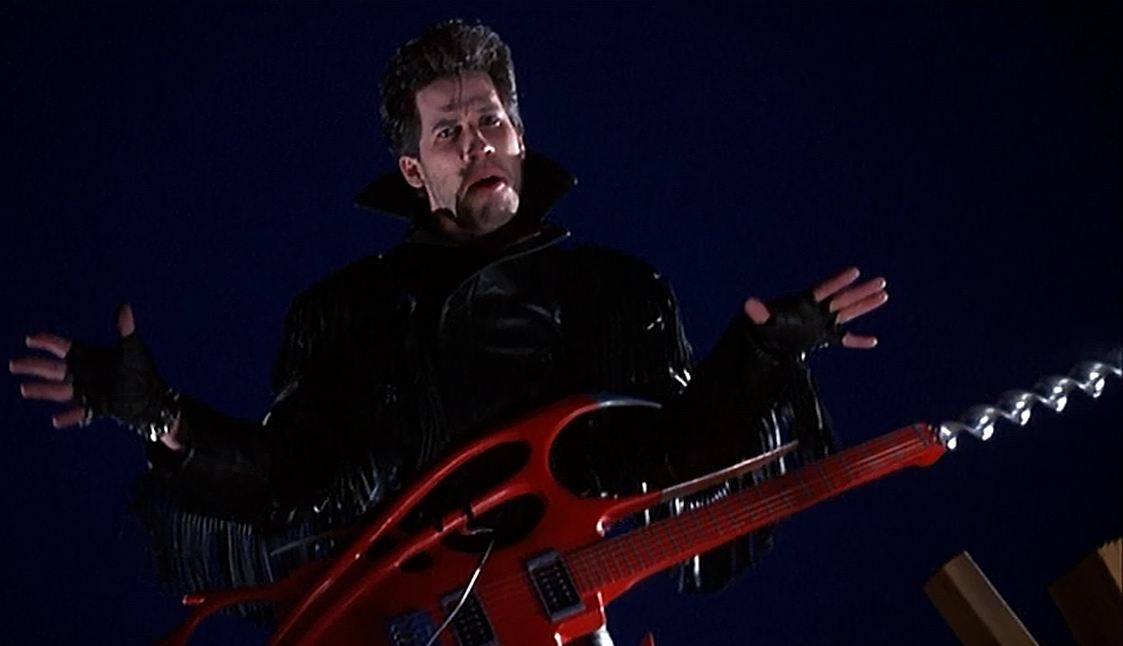
As the Driller Killer in Slumber Party Massacre 2, Atanas Ilitch made a definitive impression on slasher movie lovers worldwide. Radiating with hip James Dean swerve and a sense of New Wave cool, Ilitch made killing seem as quick and easy as a cheesy pop song here.
But Ilitch’s personal history is even more colorful than his best known onscreen role. The scion of a powerful Detroit based business dynasty, he was also reportedly considered for the role of James Bond in the ‘80s. His musicality was a prime consideration to the producers and, in preparation for playing the iconic spy, he recorded a number of songs with espionage style theatrics. Upon losing the role to Timothy Dalton, he took such imaginings as Dark Night, Crazy in the Dark and Shoot the Gun and put them on an album called Shadows. Let’s Live Together was one of the more romantic offerings on display there.
Surviving a battle with cancer in his early 40s, Ilitch is, assumedly, still providing the citizens of Michigan with interesting musical avenues via his various corporate undertakings.
Until the next time, SWEET love and pink GRUE, Big Gay Horror Fan!
In the late ‘80s there wasn’t a more significant way to spend a weekend night in Chicago than dancing at Medusa’s nightclub. Spiraling into the witching hour as techno and new wave tunes throbbed seemed as close to an alternative heaven as any wayward, creative youth could get. Interestingly enough, Japanese CARCRASH, a band based in Southeast Texas, makes music that radiates with the black lashed urban mythology of those times.
Rise of the MACRO-VIXEN, inspired by the beautiful and strong heroines of the Russ Meyer films, seems particularly fit for gothic thrashing in some long lost, three storied warehouse building.
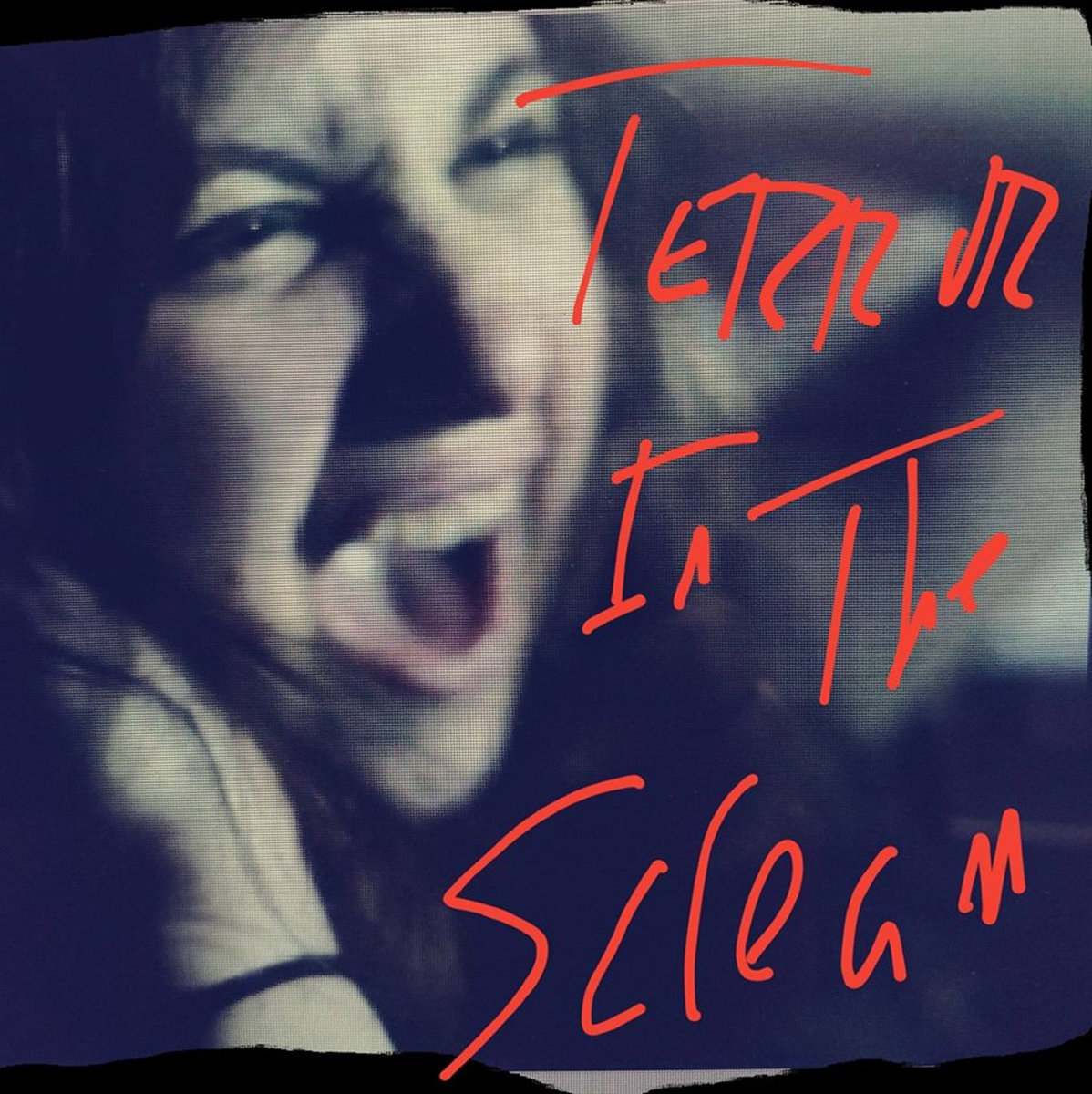
Begun as a project to promote his excellent New Wave-Synth Pop project Japanese Carcrash, Casey LeBeau’s debut film Terror in the Scream, clocks in at around 42 minutes. Despite some production difficulties (which curtailed the original plotline), this project ultimately provides a moody, musically embossed narrative about a masked killer haunting a small town.
Indeed, LeBeau captures that mysterious quality of unease that occurs in a secluded area when violence unexpectedly erupts. Quiet conversations between lovers, here a lesbian couple trying to navigate disapproving family members, and film loving friends are tinged with hopelessness as peace seems forever shattered without any sensible explanation. British scream queen Eileen Daly (Razor Blade Smile, Witchcraft X: Mistress of the Craft, Kannibal) adds a magnificently haunting narration that adds to the mystery here and the appearance of Lilith (Jessica Koons) is another beautifully random occurrence that adds to this effort’s unknowing milieu.
She possesses one of the most unique and powerful voices in pop and New Wave music. Thankfully, The Motels’ irreplaceable Martha Davis also lent her talents to Dreams, a song featured in Night of the Creeps, Fred Dekker’s genuine horror cult favorite.
Thankfully, akin to Terri Nunn from Berlin, Davis’ popularity has recently surged due to an elastic stretch of ‘80s nostalgia. She and other members of The Motels are consistently touring and creating new music.